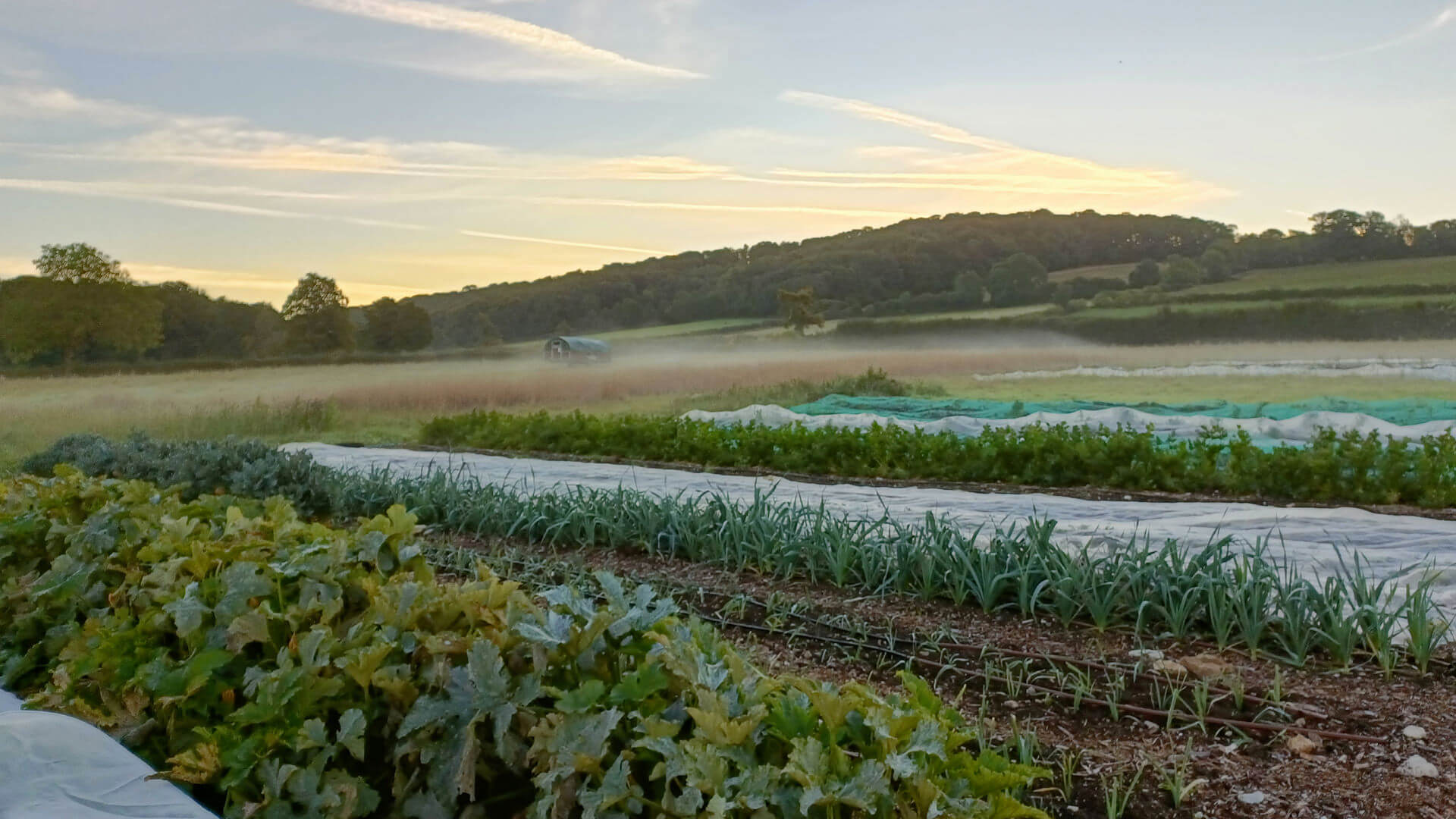
We are just starting our fifth season in the market garden and after a period of creative trial and error, staggered infrastructure investment and system changes, we are settling into our identity.
2022 – First year
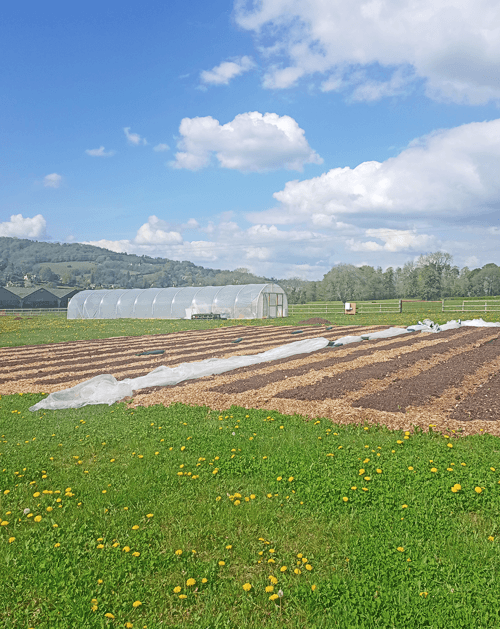
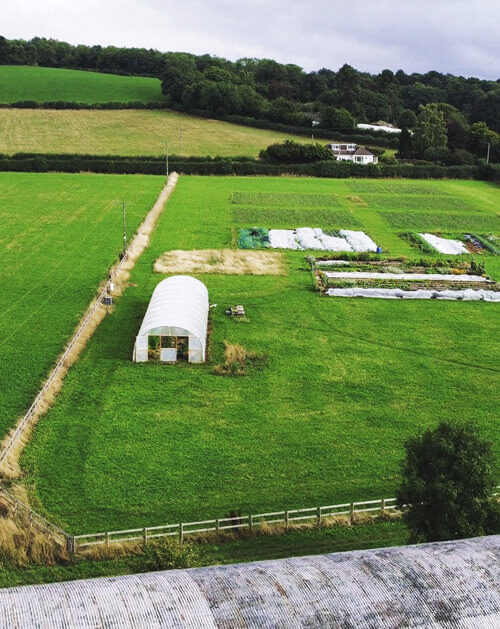
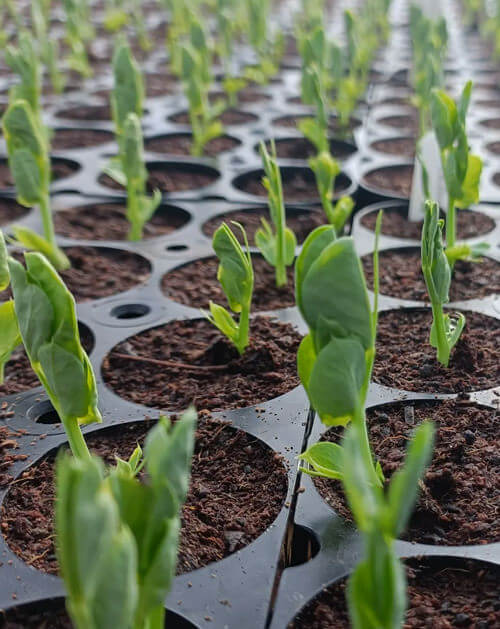
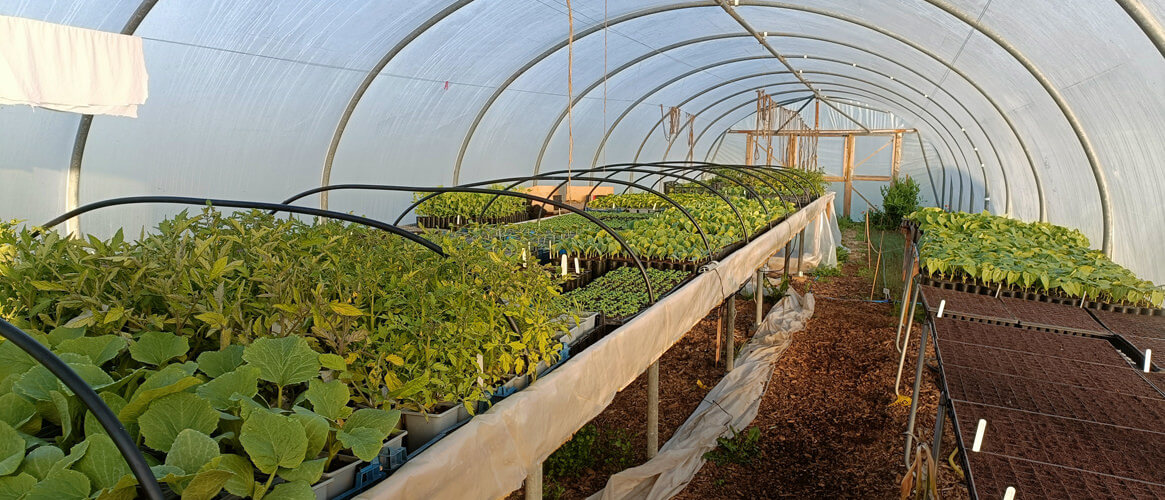
We started by building a small polytunnel and a 20x 20m block of no-dig beds. However, we were not set up for propagation for that first Spring so we were generously allowed by a local business to set up a tiny, temporary propagation station in their attic room. During the season we got water and electricity to the market garden and set ourselves up for future propagation.
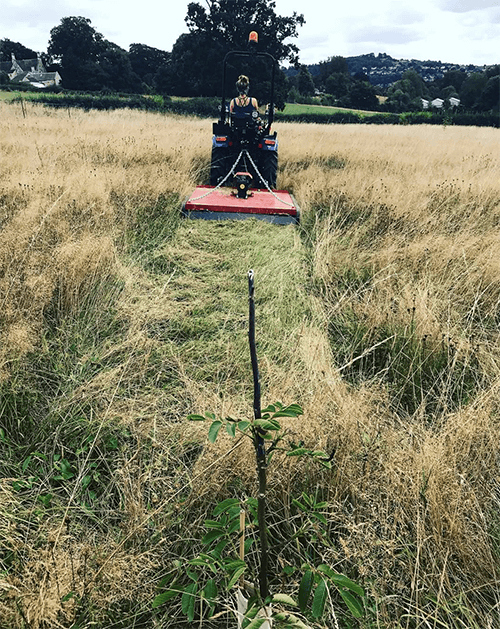
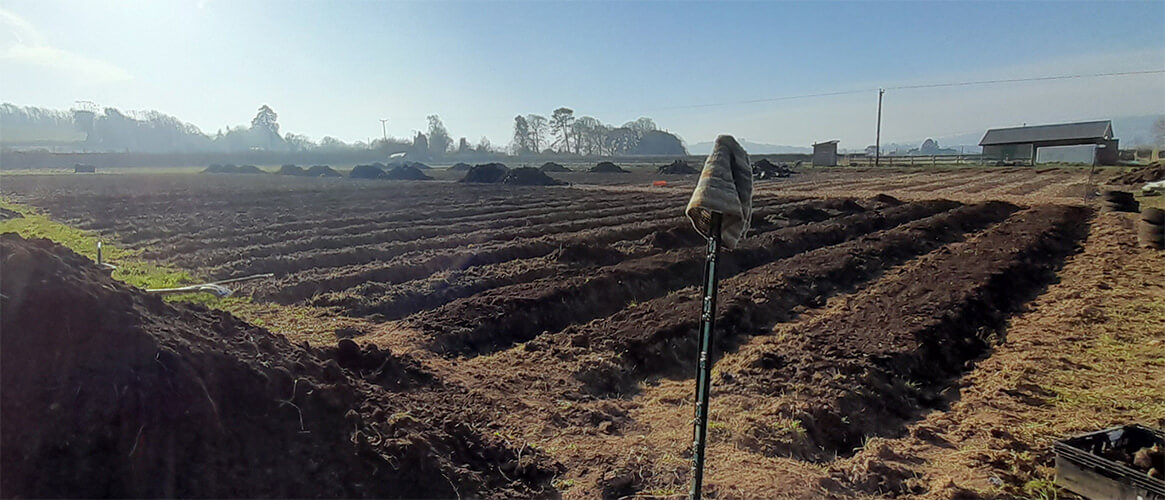
As well as the no-dig beds, we broke some ground with the tractor to put into rotation. The field we initially rotovated turned out to be too damaged by the previous management (heavily horse grazed), leaving the soil compacted and devoid of a healthy ecosystem, with a high perennial weed burden. After one season, we decided instead to rejuvenate this field with a combination of rest and a 4-year, deep-rooted, diverse mix of plants to improve the soil structure, life and nutrient cycling. We started a small veg box scheme in the first year and began selling our produce to local cafes and caterers.
2023 – Second year
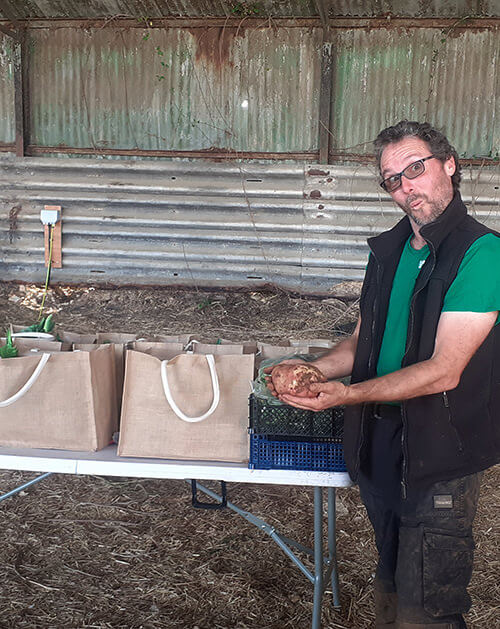
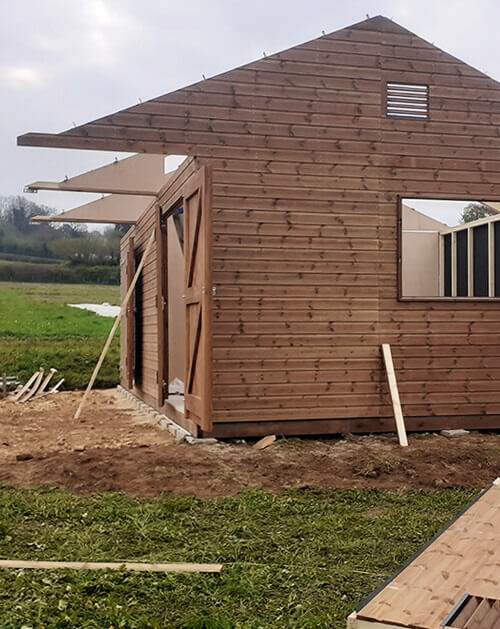
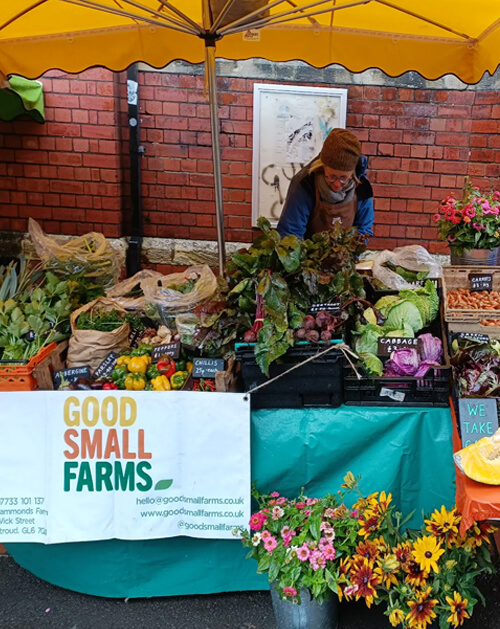
In the second growing season we trialled growing in an adjacent field, which was in a better condition. We also invested in three larger polytunnels and a barn for packing harvests, storing tools etc., both of which were game changers for our efficiency and production capacity. Another investment was setting up permanent irrigation systems for parts of the market garden to save us time. Our box scheme slowly grew and we started selling at Stroud Farmers’ Market on Saturdays as our output increased.
2024 – Third year
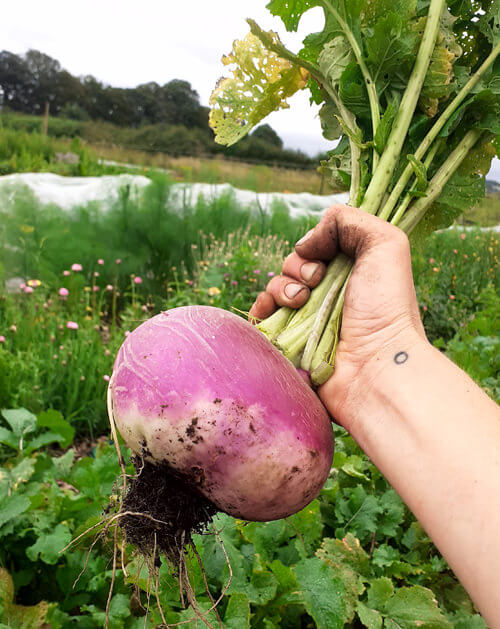
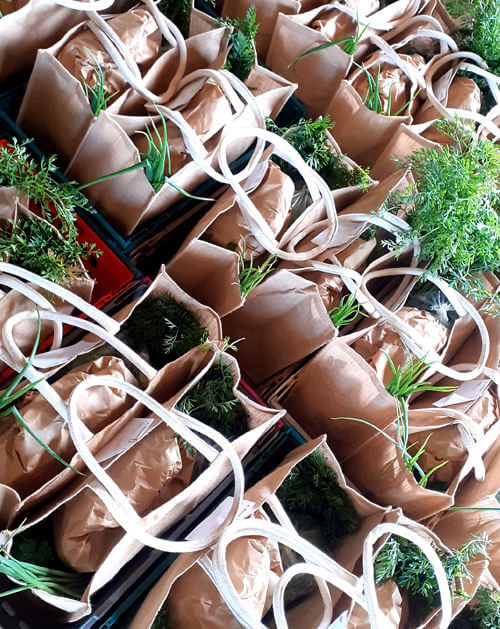
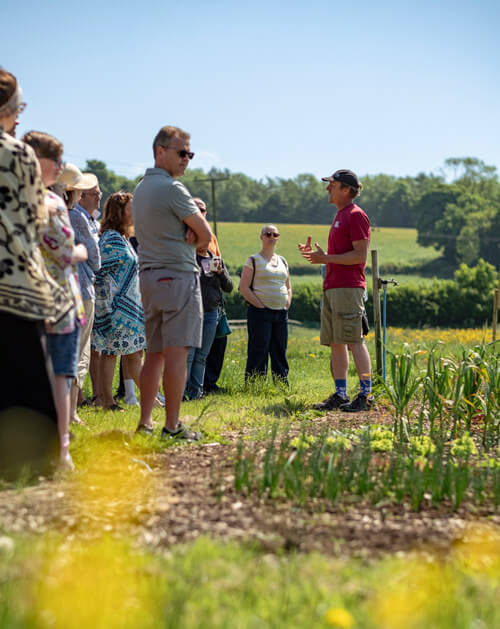
In the third Spring we attained our organic status from The Soil Association (after two years ‘in conversion’) and we had our first farm Open Day! We added a new no-dig plot to the market garden, as productivity and health from these beds was better than from rotovated pasture. We extended our box scheme to all year round, which had not previously been the case, and the range of produce from the farm increased as we got cows and chickens. We started attending smaller pop-up markets to sell during the week as well and production continued to increase in the market garden, mirroring the growth happening across the farm.
2025 – Last year
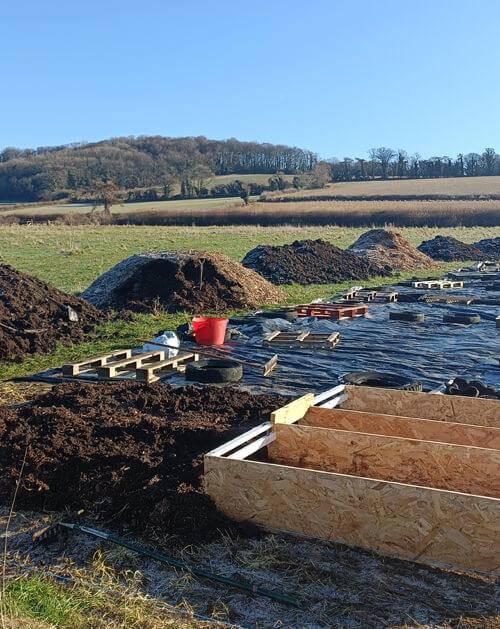
At the start of the fourth season we completed the mammoth task of building a further 180 x 20m permanent beds. These beds included woodchip pathways, both to decrease weed burden and to improve soils (from bacteria heavy soils before, we are now seeing a good amount of fungal growth in these beds after mere months).
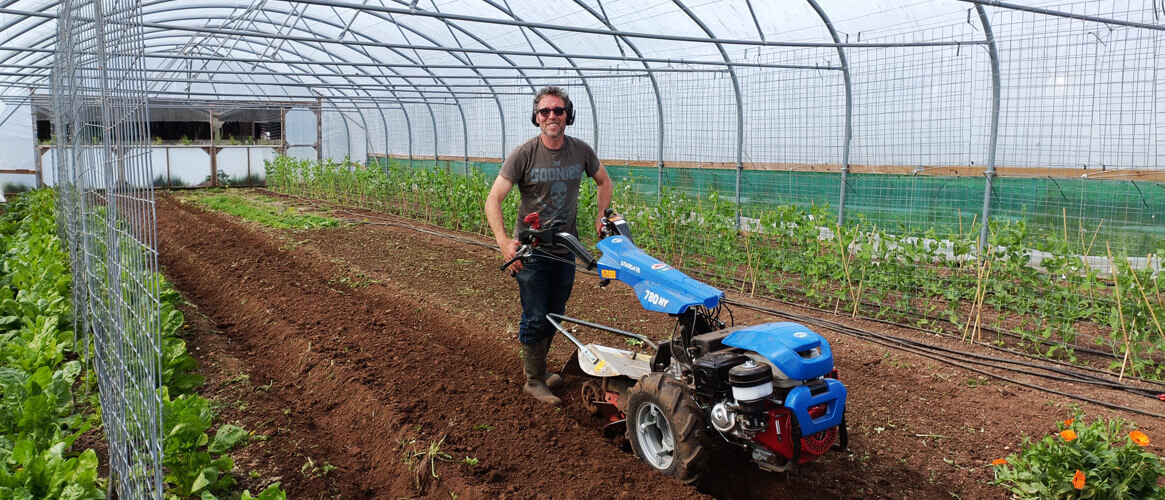
We made the decision to move away from the sit-on tractor, to using a two-wheel BCS, which meant we could manoeuvre in the tight bed system we’d built, as well as use it in the polytunnels. Pivoting to the BCS was partly for agility but also an attempt to better look after our soils, as we can cultivate with more precision to a lesser depth. Having the BCS has changed our composting too, as now we can flail crops straight onto the bed to break down in-situ.
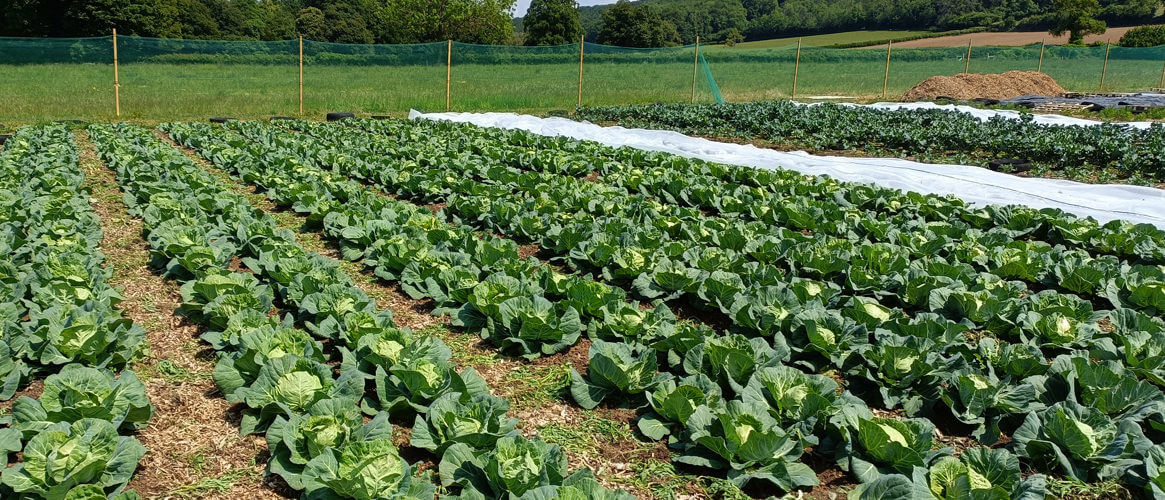
In 2025 we converted the polytunnel beds into no-dig beds, with woodchip paths, to boost soil health and help with water retention. We built deer fences around our main growing area, so we do not have to mesh-cover individual crops from the many local deer. We built a new, large, heated propagation bench to keep up with our growth. And we (actually, Stroud Valleys Project volunteers) planted an extensive shelter belt in the market garden as we are pretty exposed to the elements up here, and some mixed hedgerows for wildlife.
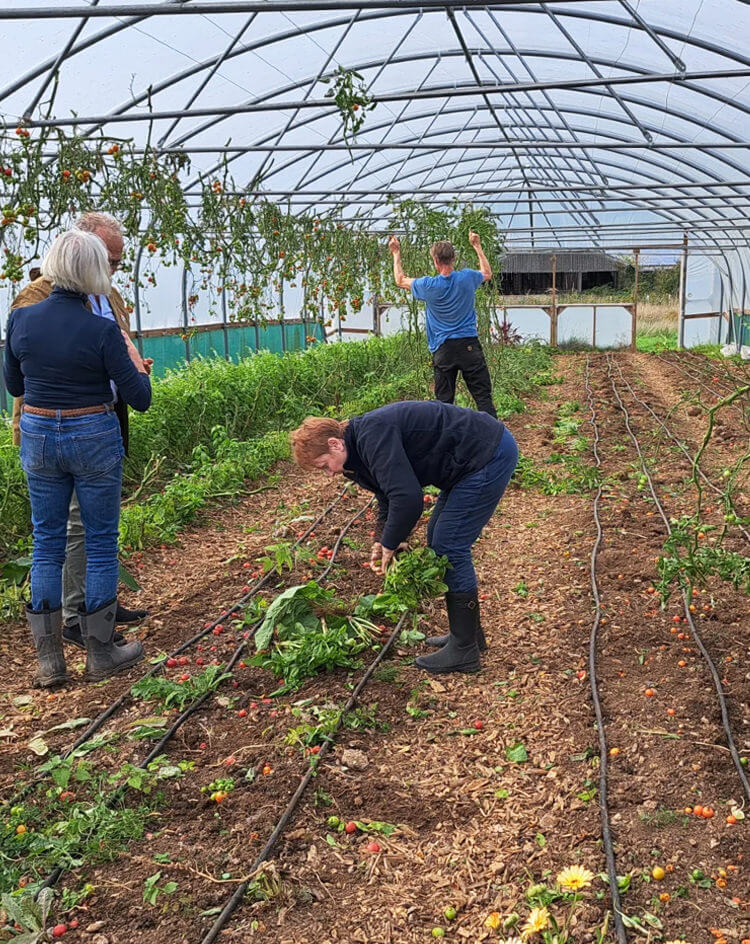
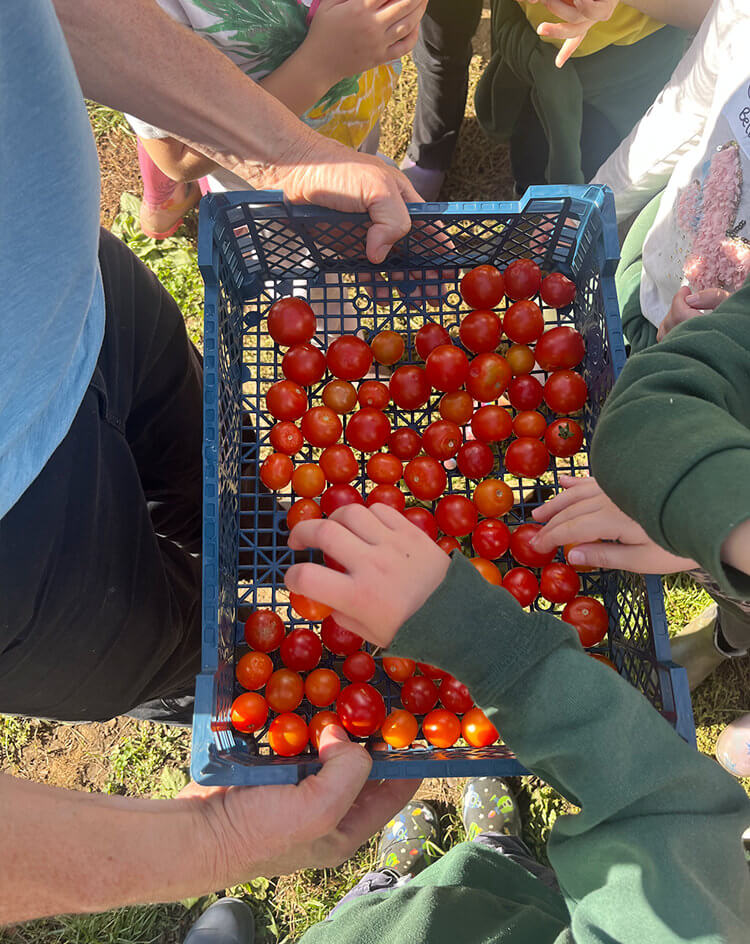
The 2025 season also saw more diverse groups of people having access to the market garden, from farm tours to green social prescribing participants, school kids to RAU students, who helped out, tasted produce and asked lots of questions!
Our box scheme is growing in numbers, the Stroud Farmers’ Market stall increasing in size and we are doing more pop-up markets than ever, as well as continuing our wholesale to local businesses.
What a year!
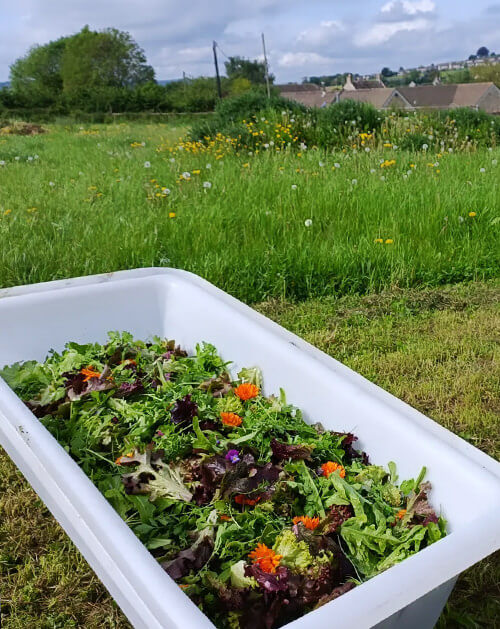
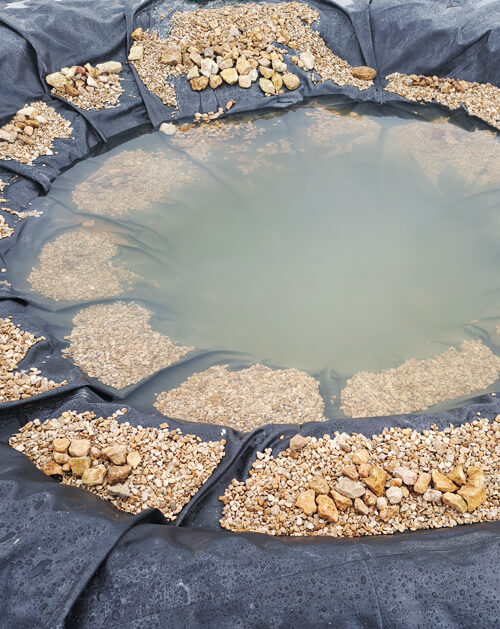
The last season was certainly the most abundant and productive, partly because of the warm weather, partly because we are constantly refining our set-up and systems, and not least because the market garden ecosystem is becoming more ecologically diverse year on year. As we settle around systems and tools that work for us, we have more time to invest in increasing biodiversity around the market garden. This winter we’ve built a pond, which we have been dreaming about since the very first carrots were harvested here! We have also installed a butterfly bank and have plans to seed the surrounding pasture with a diverse, locally grown seed mix (through Stroud Landscape Project), to create varied food sources and habitats for insects – as well as increasing diversity of graze for the cows.
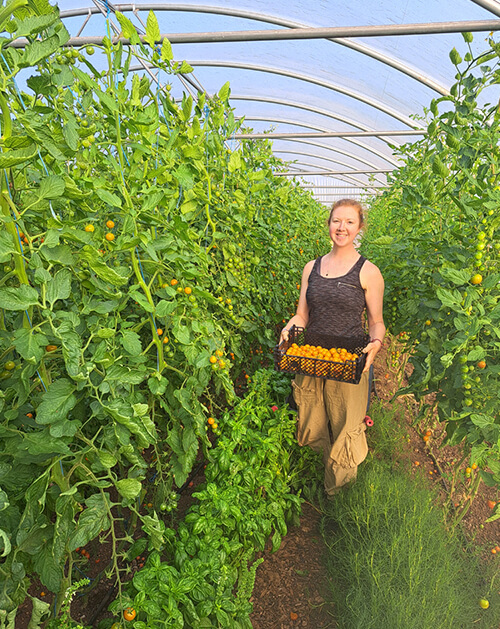
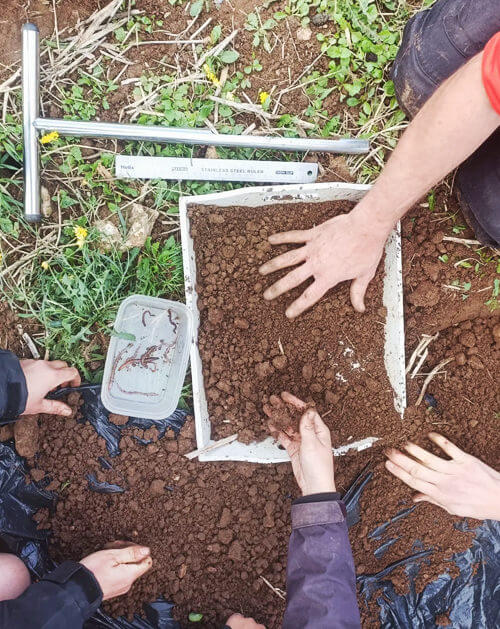
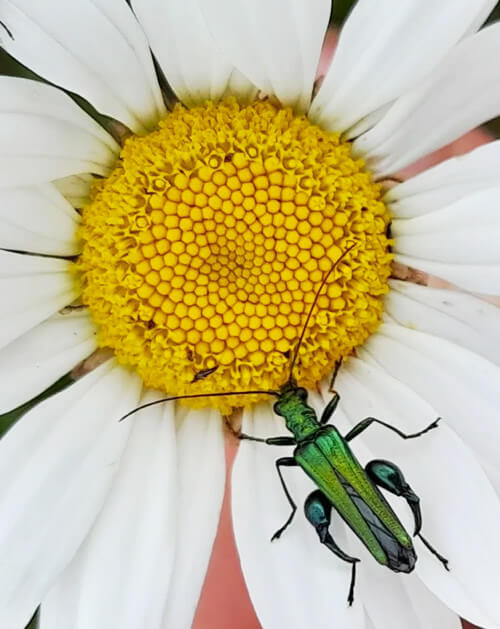
We have a keen focus on refining our systems in light of efficiency, from tiny things like how sharp our harvest knives are, to the flow of produce from field to sale, to the use of the BCS. And simultaneously, we are making a concerted effort to increase the health of the farm, above and below ground. We are logging these changes as best we can through soil testing across the farm (started in 2022), recording every new plant, fungi and creature large or small that we spot here on the land, and are investigating testing nutrient density in our vegetables, which is also a reflection of soil health. All in all, we have achieved masses in the last few years and are excited about continuing to refine our knowledge and skills in the market garden and to keep producing delicious, healthy food for the good folk of Stroud and beyond.
Athene Peel
