It’s time for lots of weeding in the nursery, a meditative task after a busy winter season of taking cuttings, careful pruning, and potting plants for Stroud farmers market and for our new, on-site farm shop.
Gooseberry, blackcurrant, and jostaberry bushes are now happily huddled in said shop, all planted in organic, peat-free compost and ready for planting into larger pots, or in gardens and allotments. Many of these plants are already showing young fruit and, with a bit of care, should yield a tasty harvest in late summer. A great opportunity to grow your own berries!
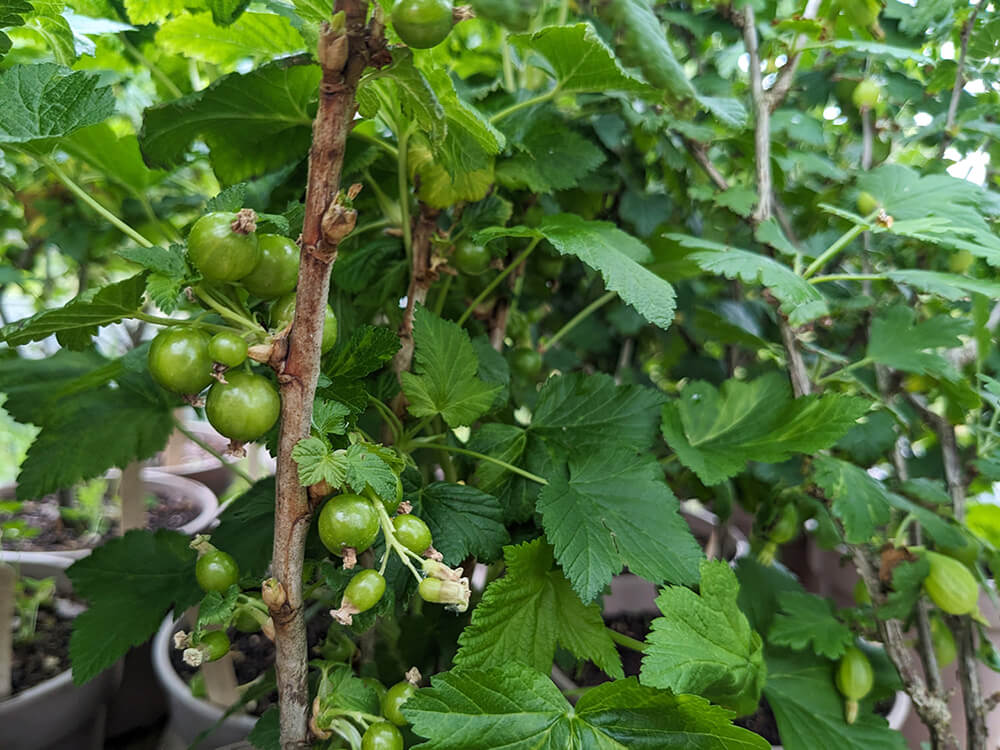
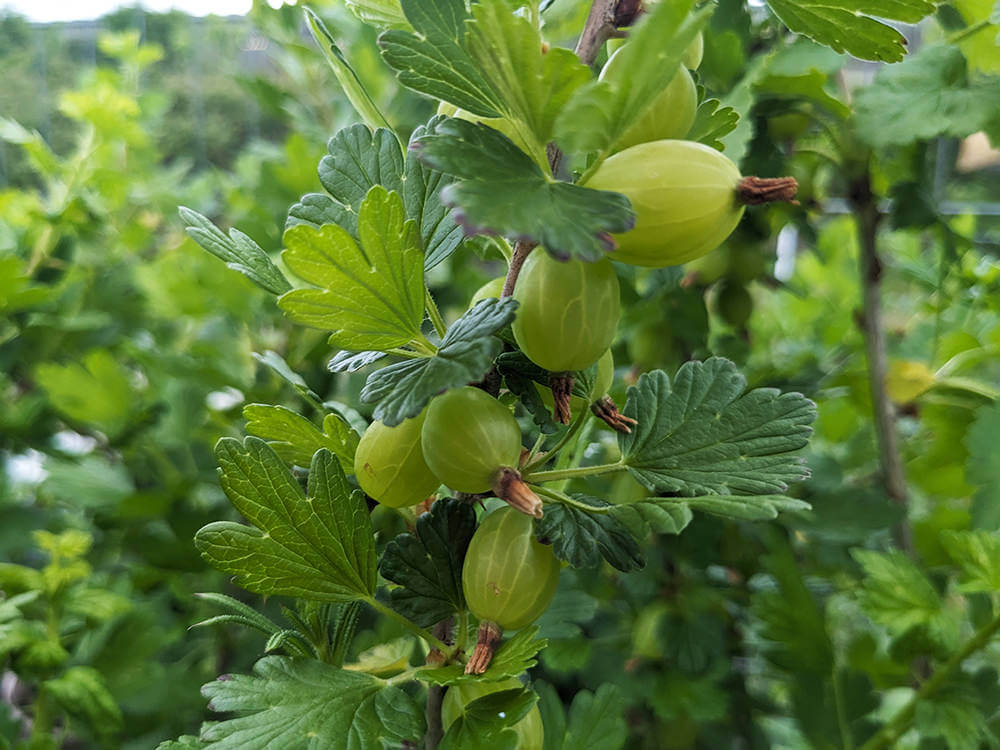
This winter we significantly expanded our berry orchard with plants we’d grown from our own cuttings, raised here on the farm without any chemical inputs. Come late June and through July, we’ll be harvesting berries to bring to market and to add to the abundance of summer produce filling our farm shop.
This is the first year that we’ve potted up our one year old soft fruit plants for sale. As with our berry orchard, these plants started out as cuttings taken from our own plants during the dormant, winter season, and were grown for a year in our nursery beds with plenty of wood chip mulch to allow them to establish without too much competition.The rows of bleak, dead-looking sticks miraculously put out roots and leaves, supported by a healthy, biodiverse environment.
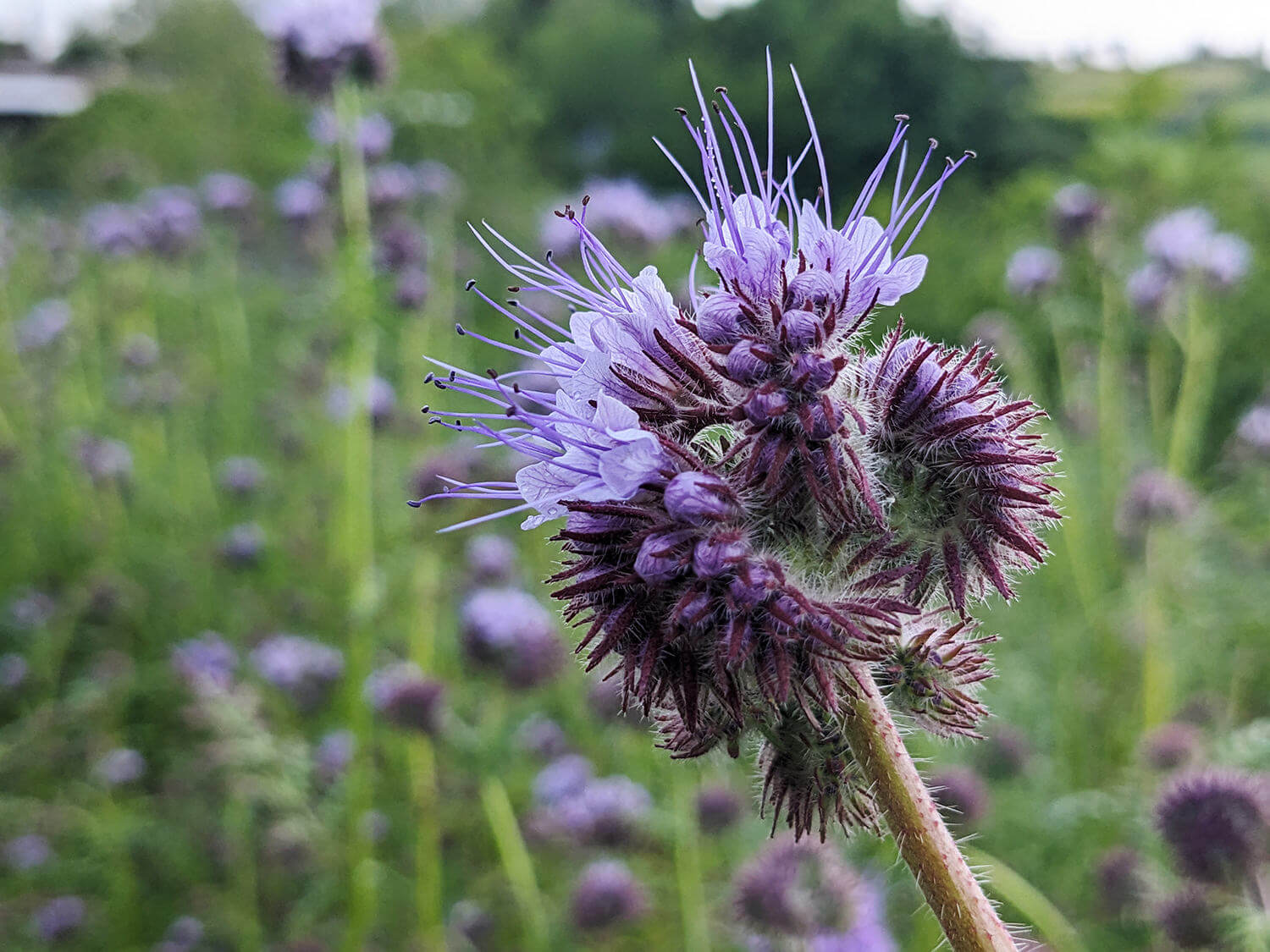
Whilst many of our nursery beds are full of berry plants, we are careful not to push our soil to the max. Every third bed is sown with green manure. We’re currently mostly using a diverse mix of annual green manures which bring multiple benefits to the nursery. The clovers help to fix nitrogen in the soil, the sheer bulk of phacelia helps to smother any weeds, and together with the buckwheat, calendula and more, they produce flowers for us and the insects to enjoy, and protect the soil from wind, rain and sun. Green manures also feed the soil food web, both while they are alive, through the associations of microbes that form around their living roots, and once we cut them down, as they slowly rot into the ground or the compost heaps. Each year, the beds of soft fruit, green manures and other crops are all shuffled along one stop, so that we aren’t growing the same thing in the same place year after year. This helps to reduce the build up of pests, and to ensure that the soil is not depleted.
We’ve previously sung the praises of bare root plants, and these do generally establish best. However, a dead looking stick with a load of muddy roots on the end can be a little overfacing for some of us, and these bare root plants can only be lifted, sold and planted during the winter. Potted plants, with reassuringly green leaves and their roots conveniently contained in a pot, can feel much easier to handle, and are available during the spring and summer.
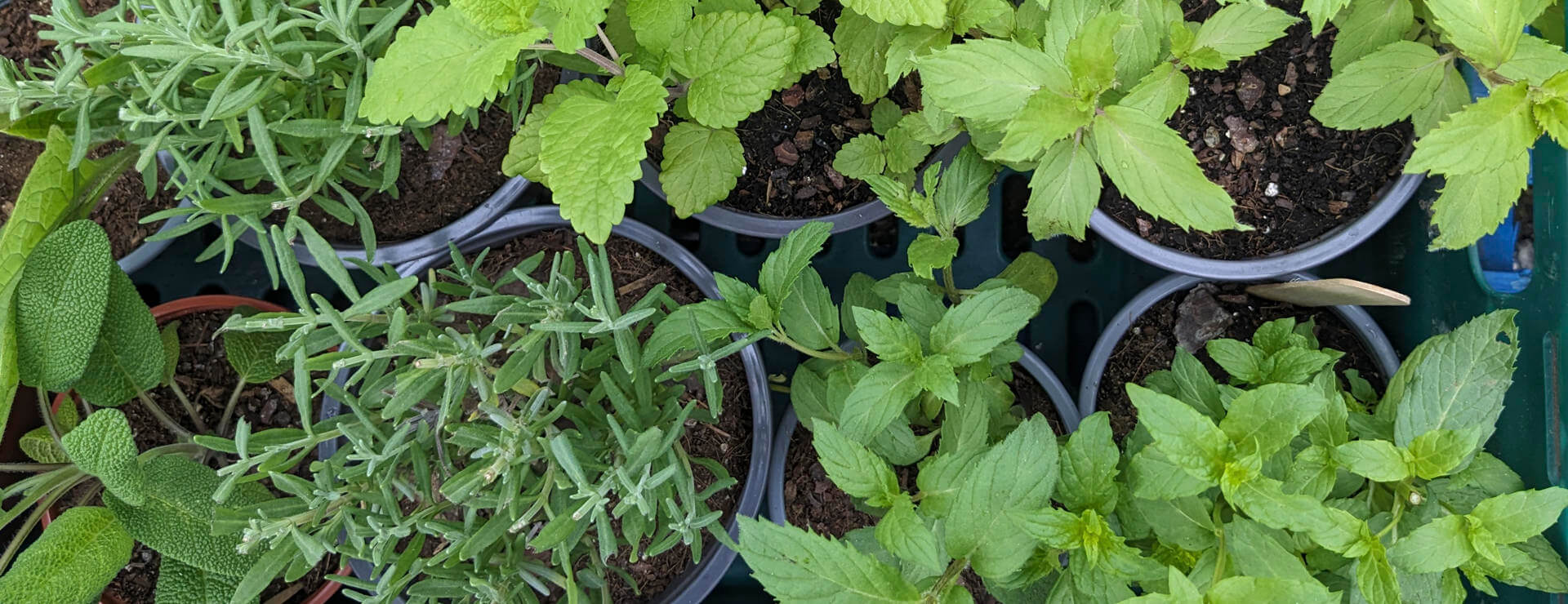
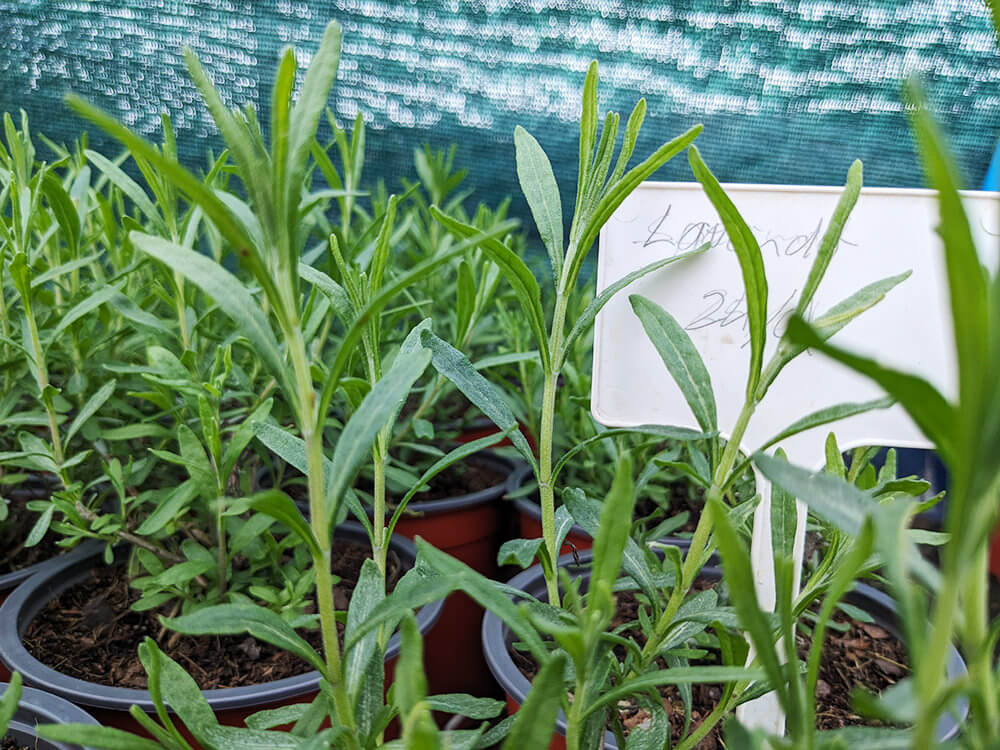
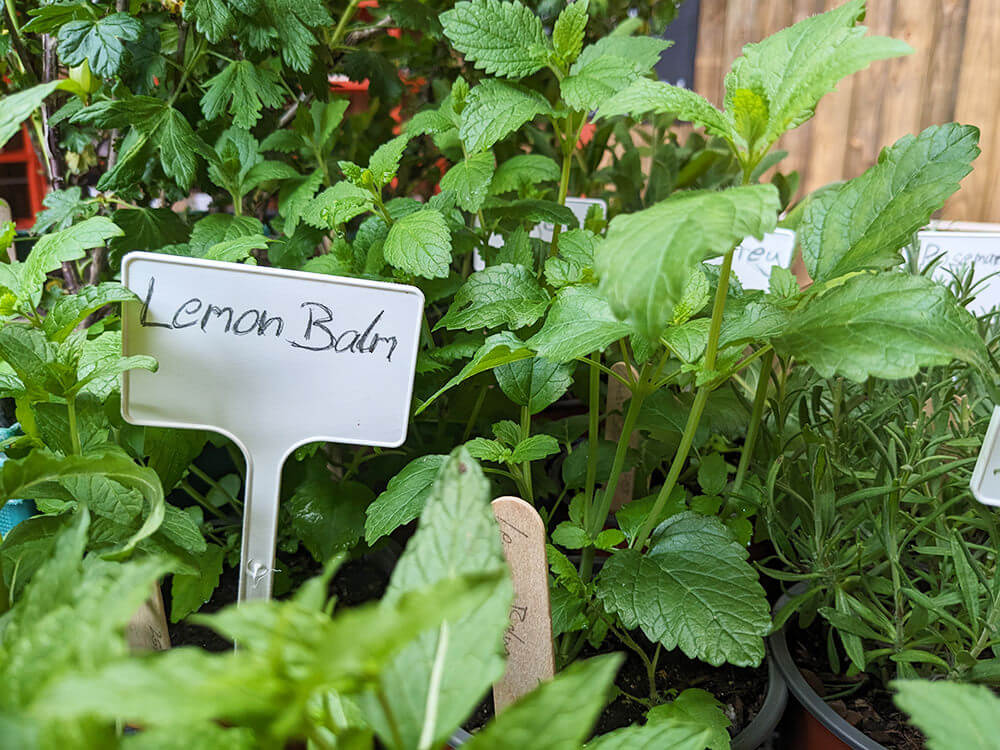
We’re really keen to encourage anyone with the opportunity to try growing their own berry bushes, because you just can’t beat the taste of fruit straight off the plant. We also have lots of herb plants looking fabulous now, including spearmint, peppermint, comfrey, lavender, and lemon balm, all grown from our own cuttings and housed in recyclable (and recycled!) pots.
As we work our way through the nursery rows, weeding and watering, we’re already thinking of the coming seasons. The strawberry plants that went into the beds in March are doing well and next spring we’re hoping to potted up to share with the world. Who can resist a strawberry grown on a sunny doorstep, or a patio or even in a hanging basket?
If you’d like to visit the farm and see the nursery, or indeed the market garden, cows and chickens, do join us for a farm tour, or for our Open Day on 14th June; free events to share what we do and how.
Jessie Marcham
