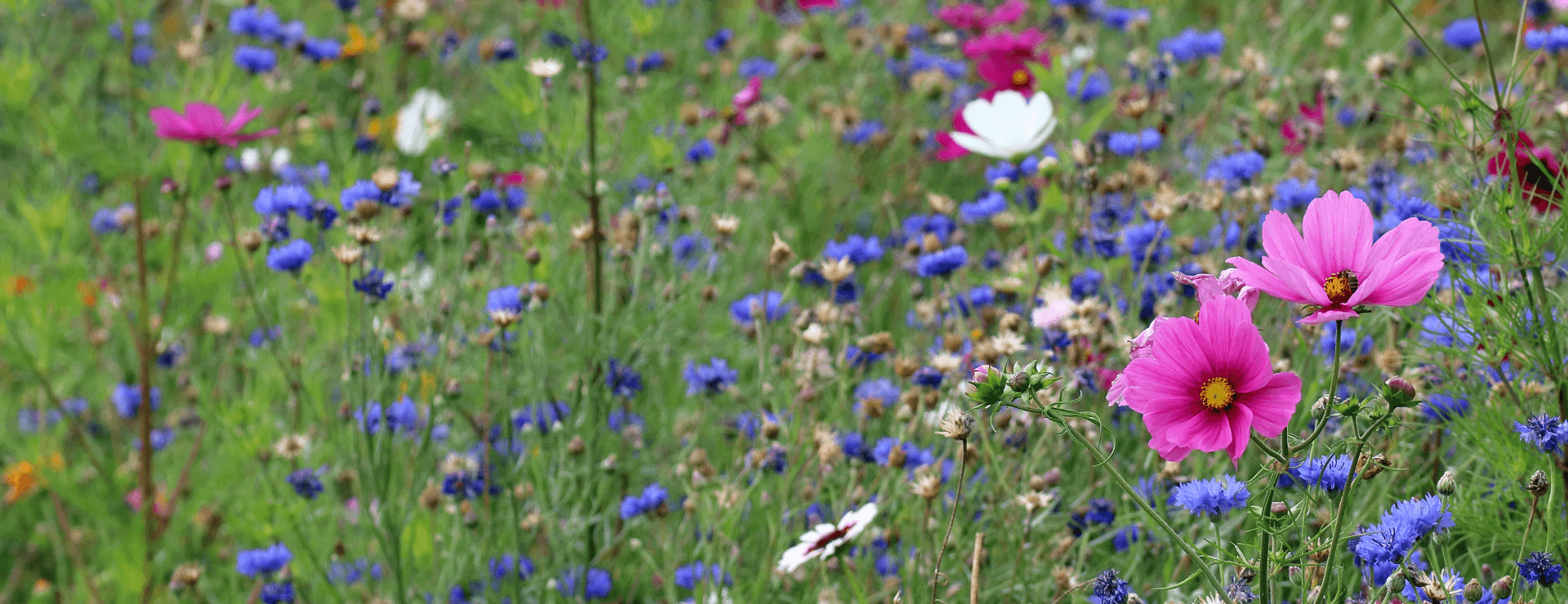
Good Small Farms started out as a seedling of an idea to show that small farms are still relevant, and perhaps increasingly so, in a newly imagined and localised food system.
There is of course still plenty to work at but, five years on, we have a team that is in their stride, growing and rearing with a sense of confidence and purpose that results in a vast amount of food passing through our hands each week.
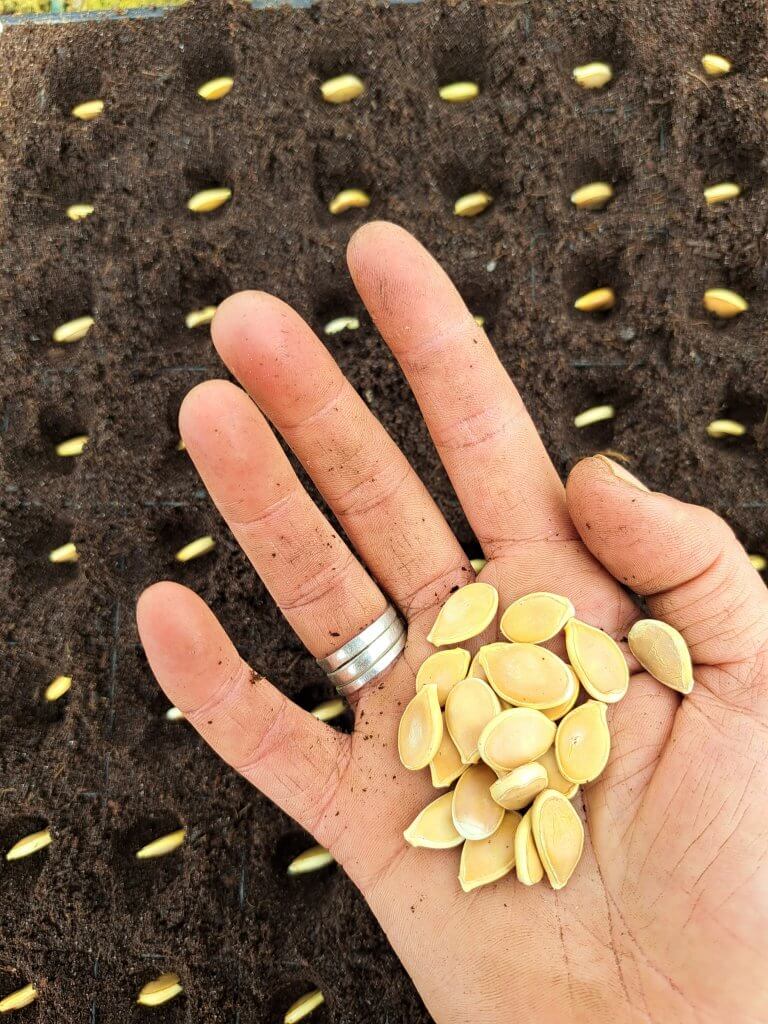
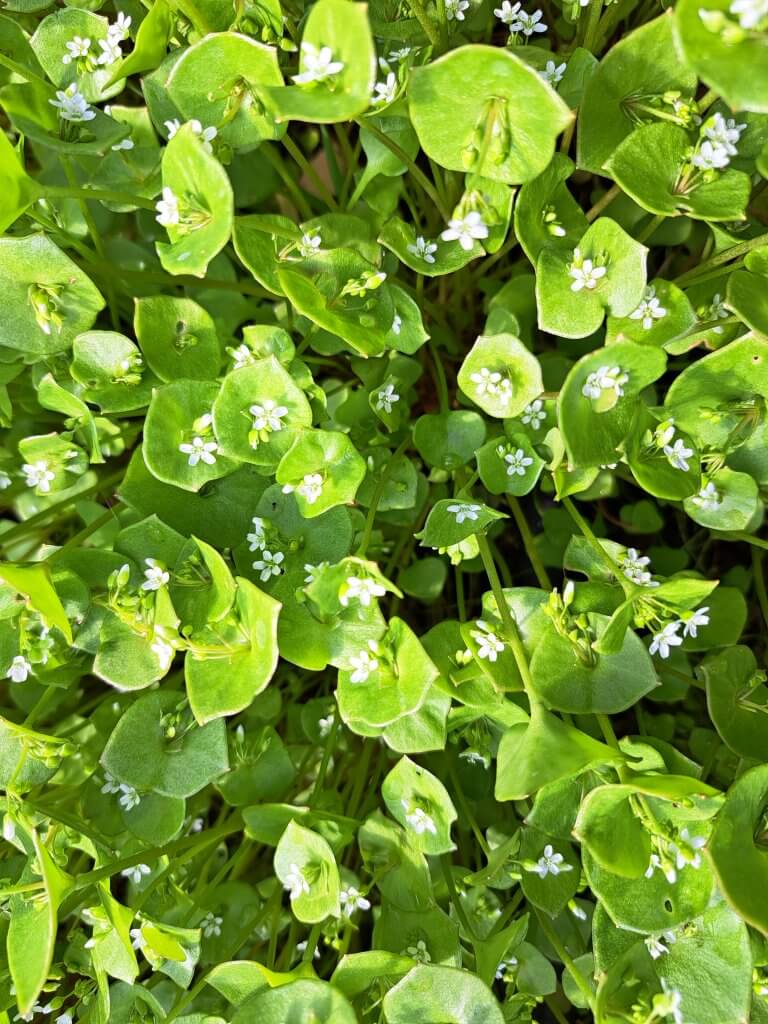
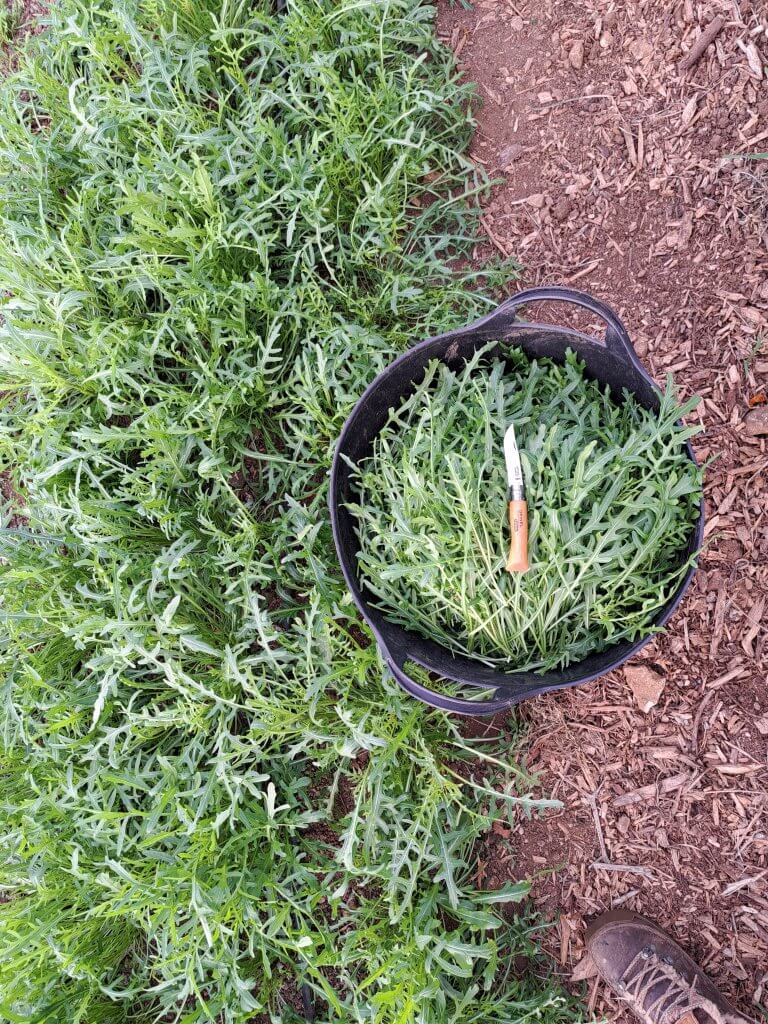
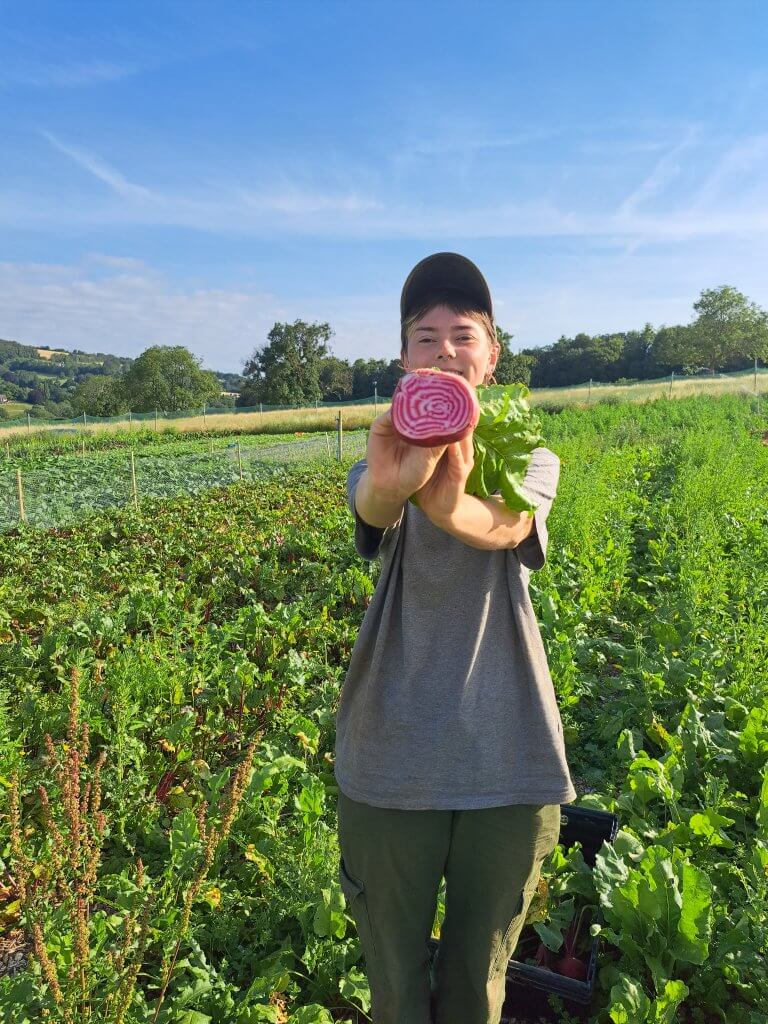
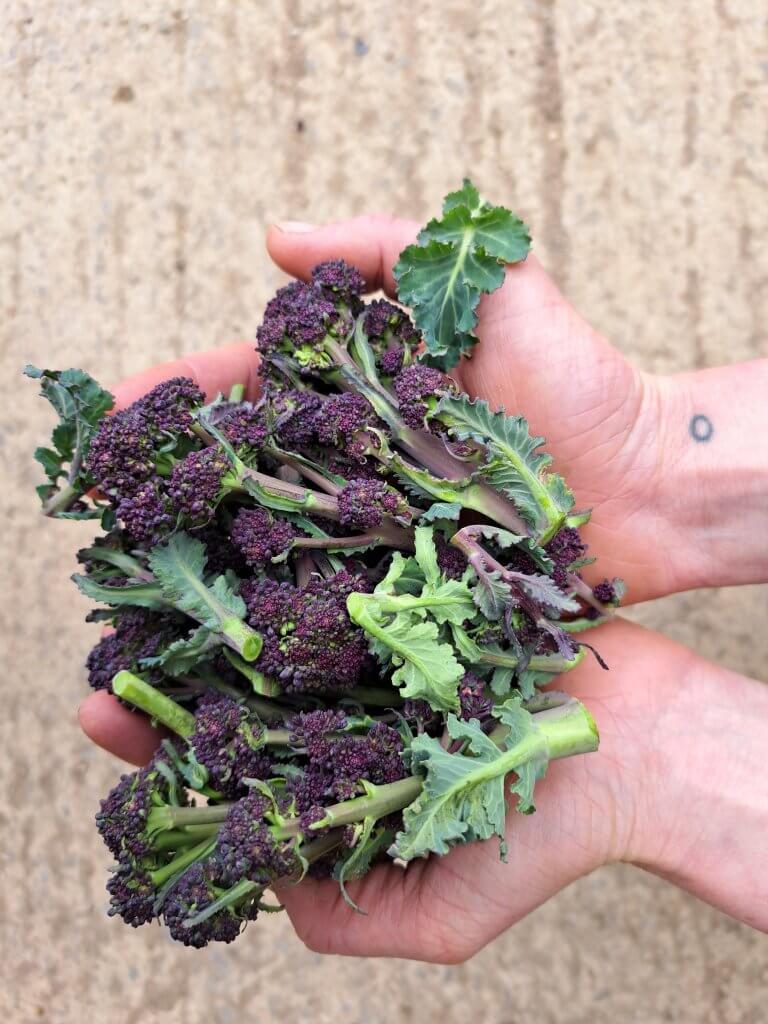
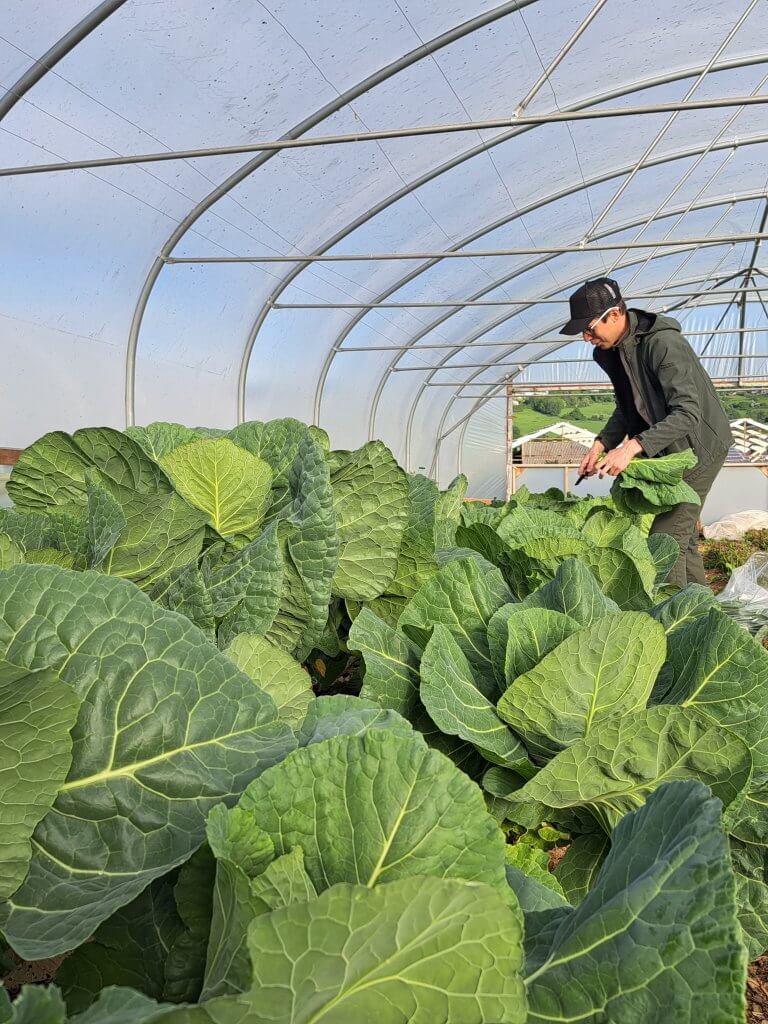
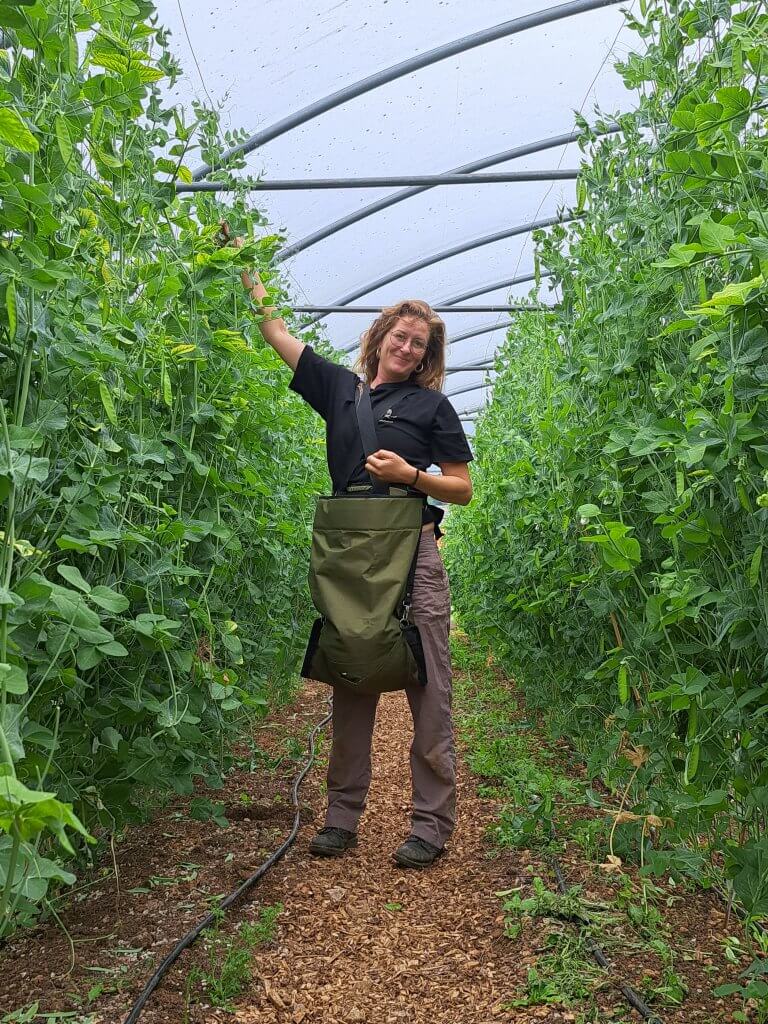
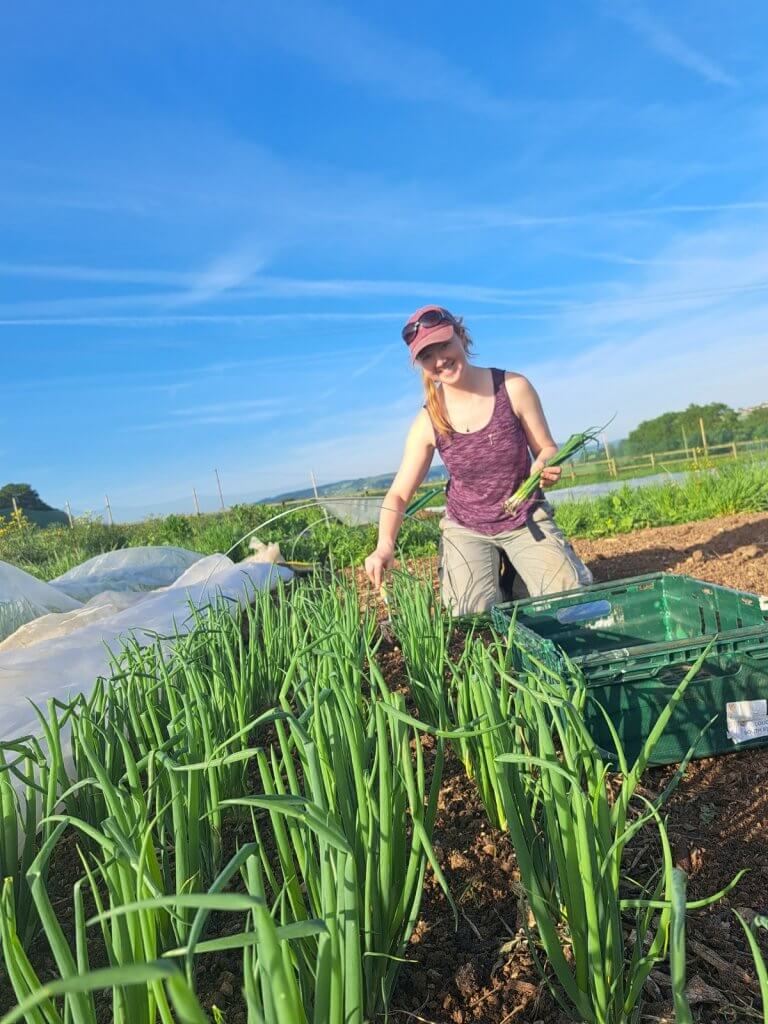
The market garden, under Athene’s helm, has settled into a rhythm, moreso this season that ever before. Max, Andy and Aine support Athene not only with hard work but emotional buoyancy that says so much about why they are in this profession to start with.
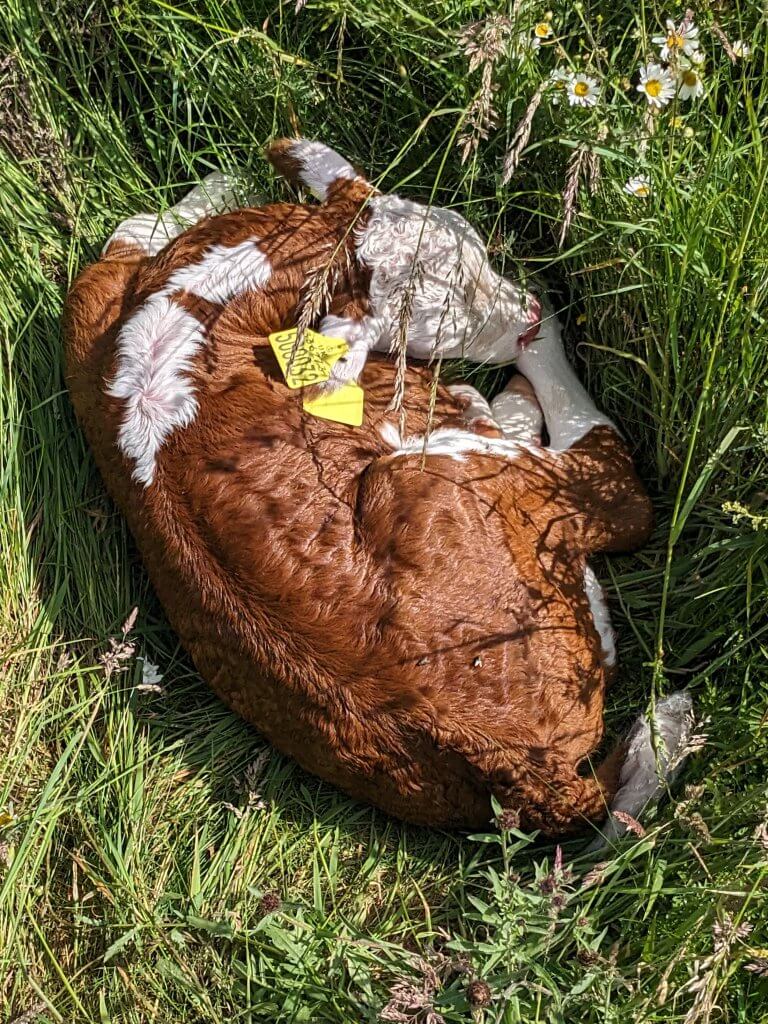
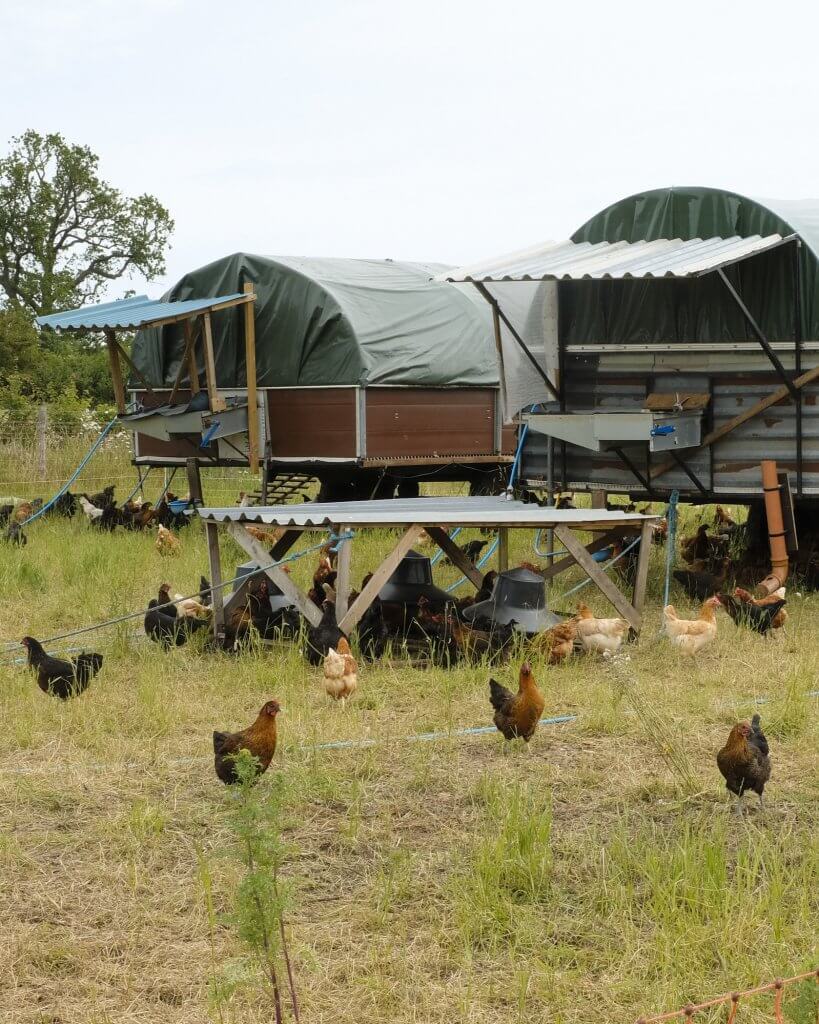
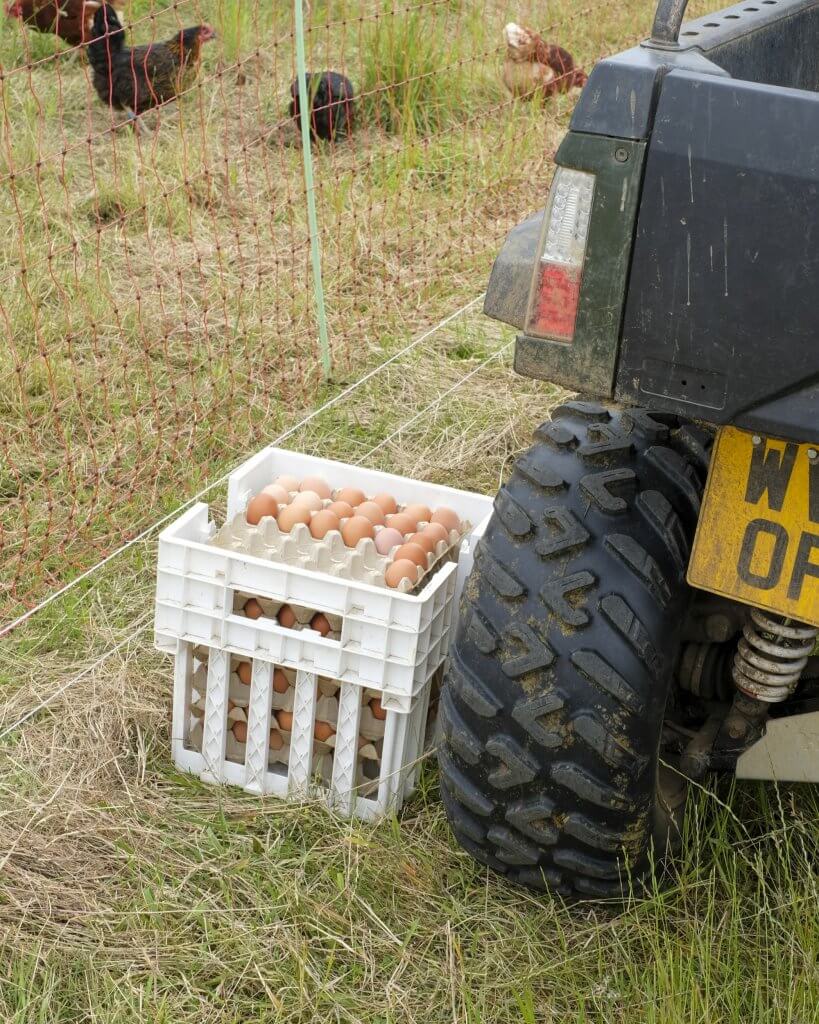
Matt has developed good systems for the cows, which work around the systems required for the layer birds as well as the broilers. We are now nibbling at the edges of efficiency gains (silos for feed rather than bagged, for example).
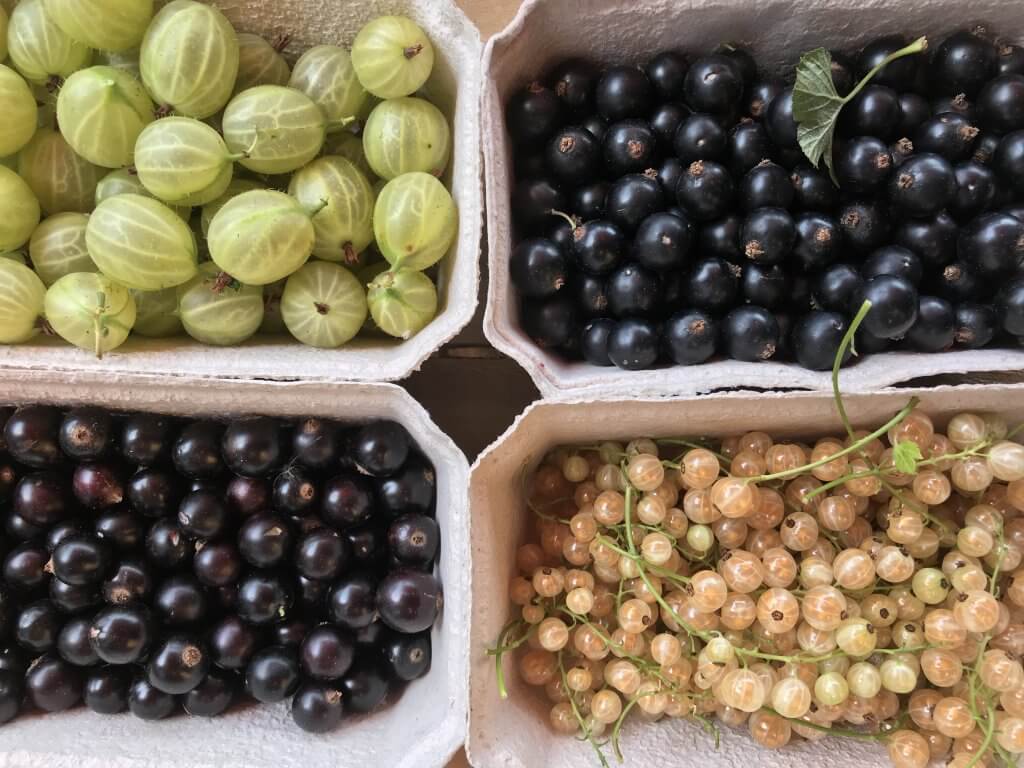
The tree nursery, always the most abundant and vibrant part of the farm to walk through, with Jessie and Clara, is now producing a good volume of soft fruit bushes and herb plants that are healthy and vigorous. One gauge of how the team has settled is soil testing. It is on everyone’s to do list, but always at the bottom (“we really should do more soil testing”). However, this year the teams are testing the soil regularly and documenting the positive impacts of their work!
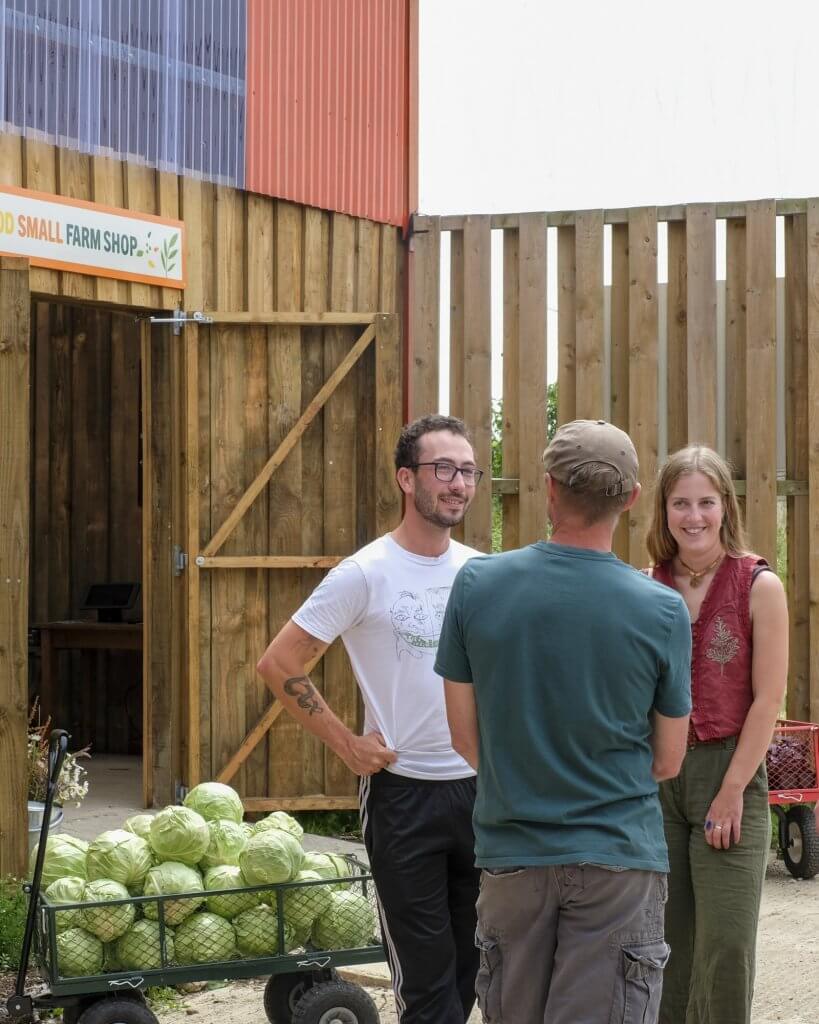
Lucy is then tasked with trying to sell all that is produced (along with some things we buy in, like apples from Riverford, and pantry staples from Essential). It is a tall order but I know she loves the challenge of finding homes for gluts and developing new channels such as different collection points or markets with Niamh on Saturdays, all the while making sure our customers’ various requests and questions are addressed. Lydia joined recently to improve how we communicate with existing and new customers and to bring more people on to the farm with events and activities and is excited about the plethora of opportunities open to us.
All of this is held together by Tom (with priceless help on the bookkeeping front from Vicky, thank you Vicky) with me only occasionally peering over his shoulder and suggesting that ‘I wouldn’t do it quite like that’.
Making myself redundant from a job I loved was the oddest thing I have done in a while but the past 6 months have made it feel more acceptable and, more importantly, necessary. I am extremely proud (and a bit melancholic) to see the team thriving without me.
We can see the establishment of Good Small Farms as a response to the climate crisis, the biodiversity crisis, the nature deficit disorder pandemic, heightened food insecurity, concentration of ownership of land, concentration of control of supermarkets and the withering of local communities.
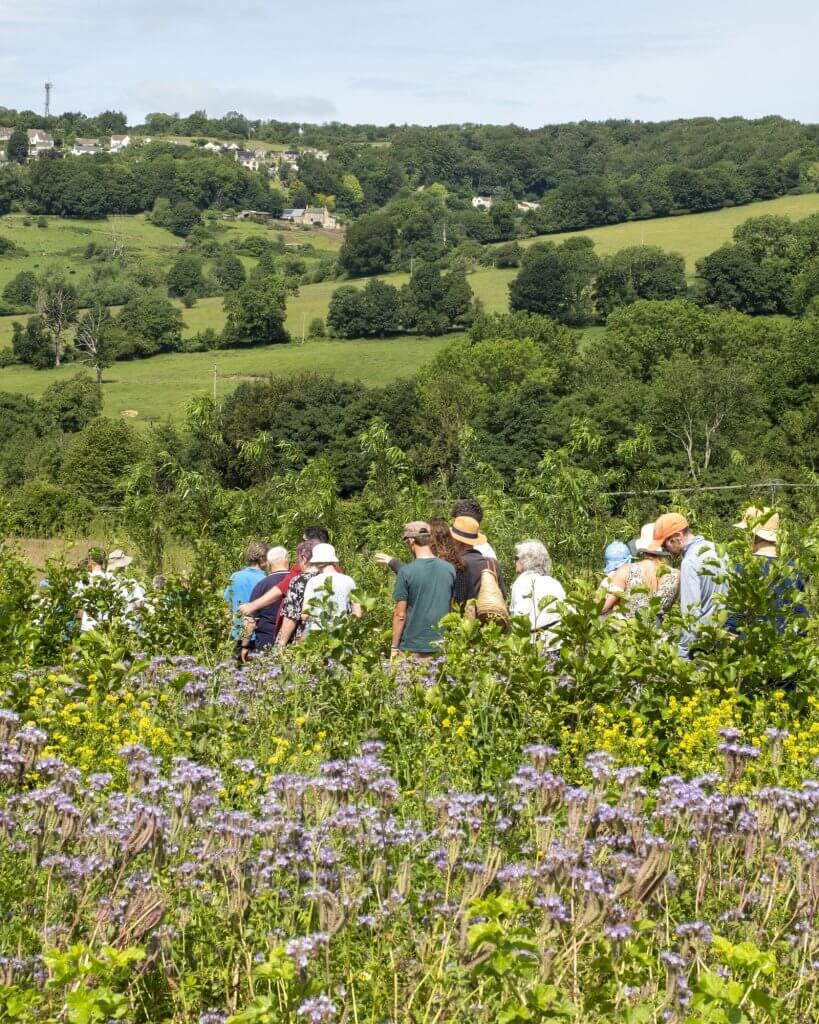
We now have a thriving business that employs 10 people where there was less than one full time employee previously; we have engaged with schools and mental health link workers to nurture that connection between people and the nature they are part of, we have helped local people buy local, delicious food without the need for supermarkets and seen connections beyond customers to broader communities at events like our farm tours and open days.
But how do we address the concentration of land ownership? I stepped back from running Good Small Farms at the beginning of this year and Tom has very capably taken on this role. I am now wrestling with the ownership question which, I believe, is at the very heart of being a truly regenerative business, whether you are a farm or sock factory. Customers who are also owners are no longer just the recipients of goods but also the providers of support. They can help inform strategy and have a much more meaningful connection with the farm.
This all sounds delightful but I am also aware of the challenges and pitfalls broad-based ownership can have and there are plenty of examples of failure that act as a warning. Solid and well thought-out governance structures that acknowledge all stakeholders are key and Nature on the Board (NOTB) may well be part of that; giving nature a voice in key decisions.
And what about the next 5 (or indeed 50) years of Good Small Farms? It is about continuing to refine and hone the business to ensure that costs are consistently lower than revenues. It sounds so simple… But it is also about ensuring that this happens without compromising on the mission of demonstrating that a small, mixed, regenerative farm is viable. We still need to be growing delicious food for local humans.
Thanks to all who have supported us through buying our produce, for the words of encouragement, for turning up at the open days, for providing feedback, and for forgiving us our mistakes. We hope to see you on the farm soon.
Eric Walters
