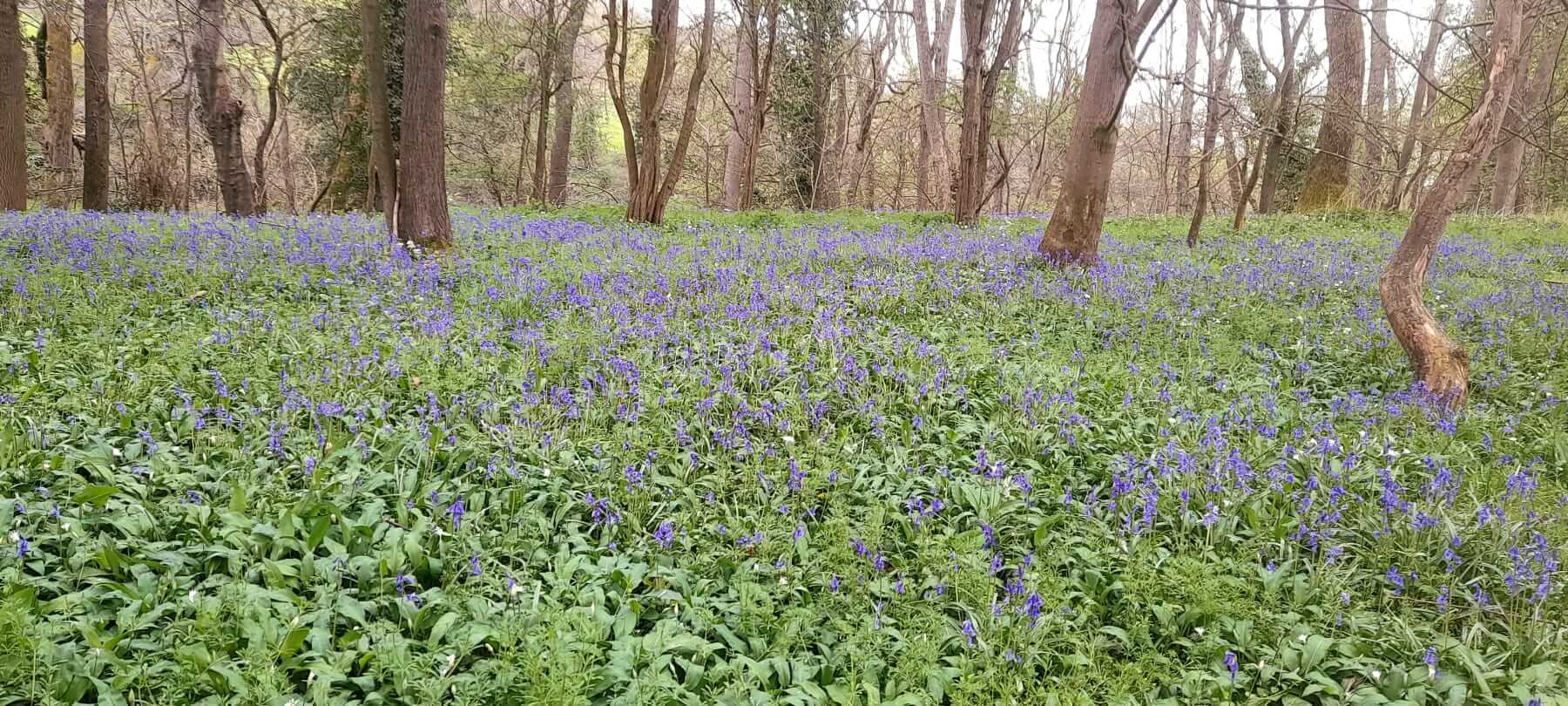
Farming with nature
If you’ve visited the farm recently, you may have noticed a few changes. Areas of longer grass, new ponds, wildflowers appearing where there once wasn’t much to see, and perhaps even a few curious-looking bug and bee hotels dotted around the place.
None of these are accidental. They’re all part of our ongoing mission to make the farm a better home for wildlife.
When we talk about organic farming, it’s easy to focus on what we don’t use – synthetic pesticides, herbicides and artificial fertilisers. But for us, organic farming is about so much more than that. It’s about working with nature instead of against it, and creating a farm that’s full of life.
Sadly, over the years, much of our countryside has become less diverse. Hedgerows have disappeared, ponds have been lost, species-rich meadows have been fertilised and reseeded; replacing diverse communities of wildflowers with ryegrass-dominated pastures, and many of the insects and birds that once thrived alongside farming have declined. While modern farming has become incredibly efficient at producing food, it often comes at the expense of many other things, including the wildlife that keeps our ecosystems healthy.
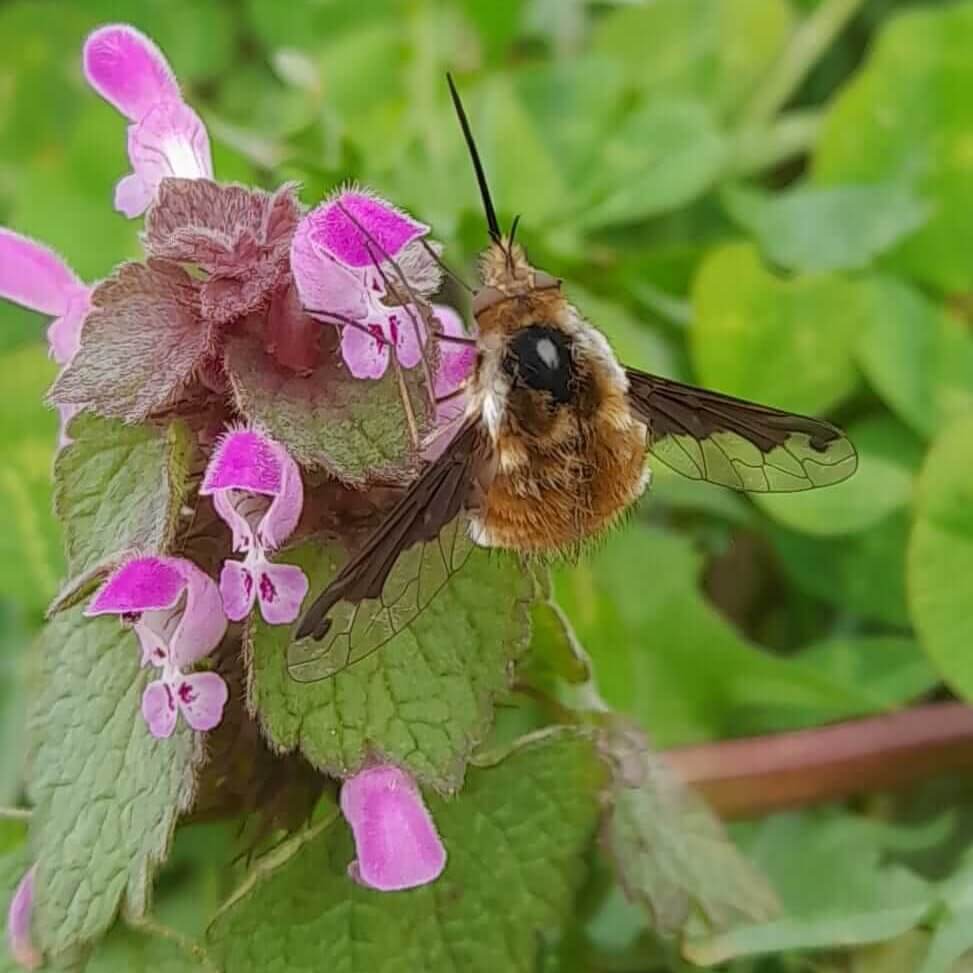
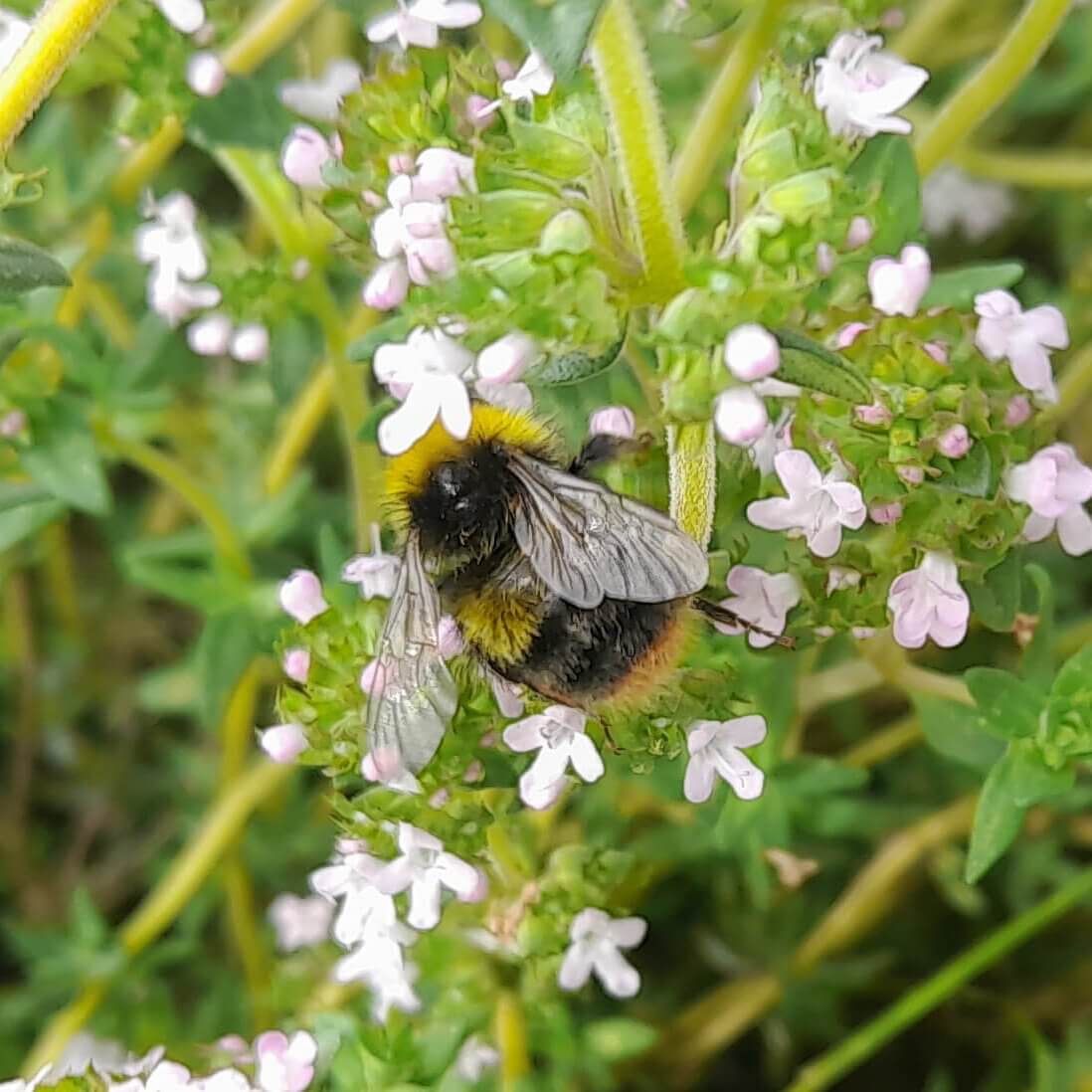
The truth is, a healthy farm depends on biodiversity. Bees and other pollinators help many crops produce food. Ladybirds, hoverflies, birds, and many more help keep pests in check naturally. Worms, fungi and billions of tiny soil organisms quietly build healthy soils beneath our feet. Every species has its own role, and the more wildlife a farm can support, the stronger and more resilient it becomes.
That’s why biodiversity is something we’re continually investing in.
Pond life and other creatures
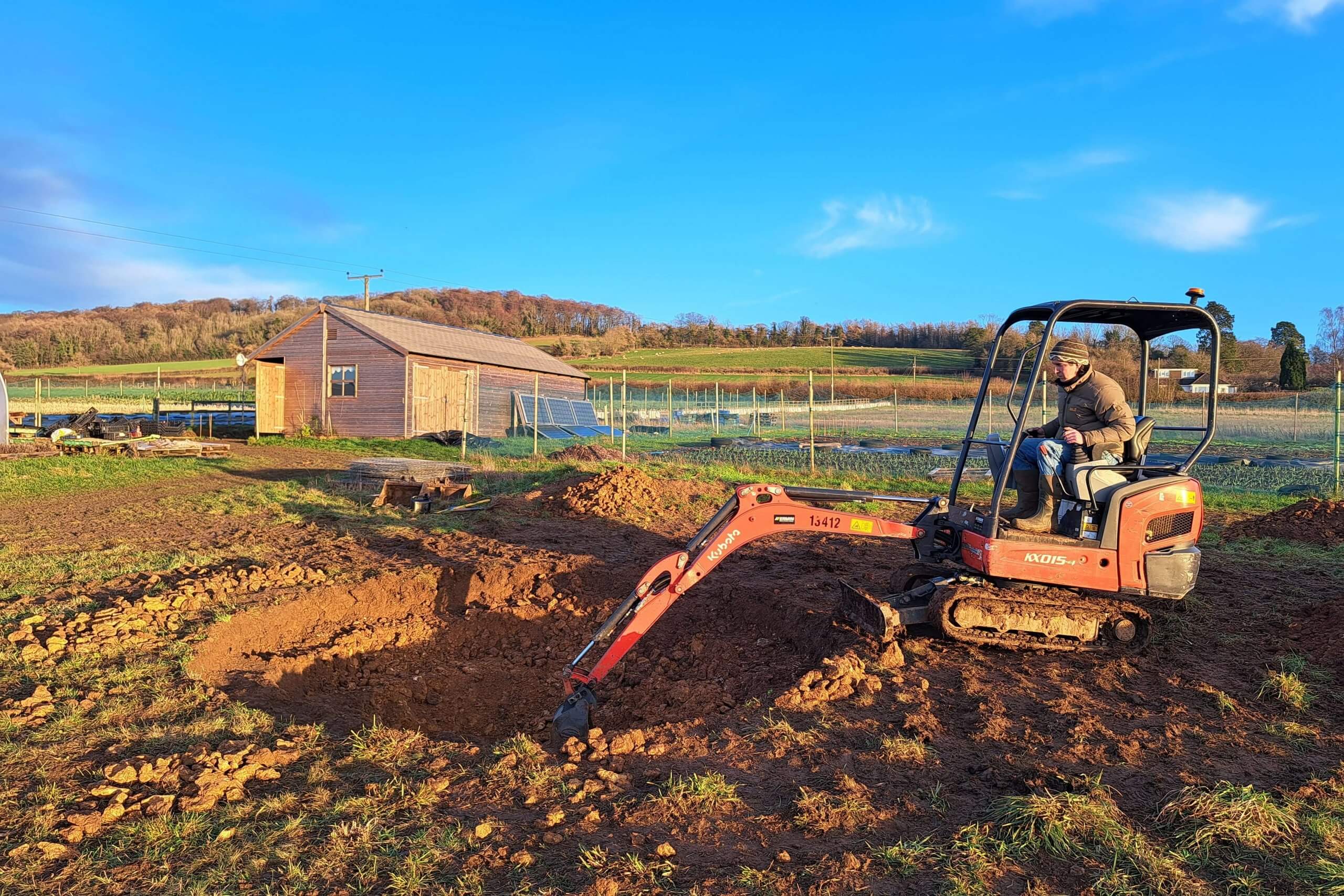
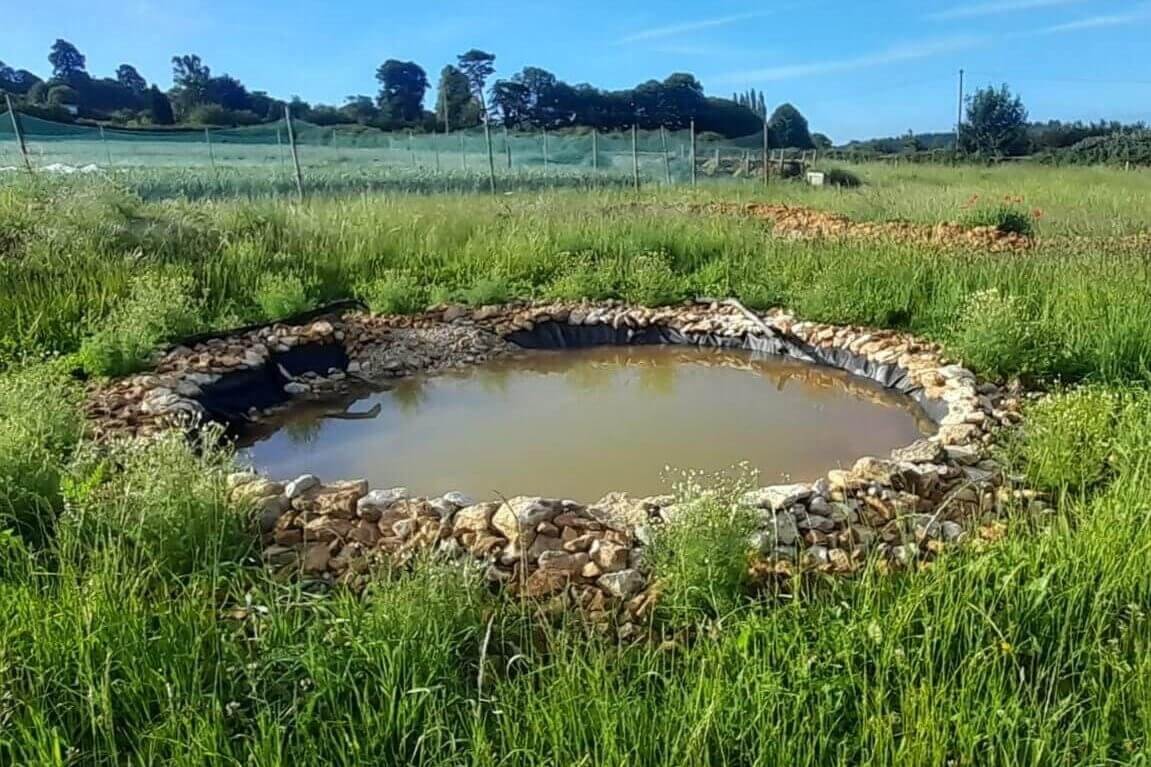
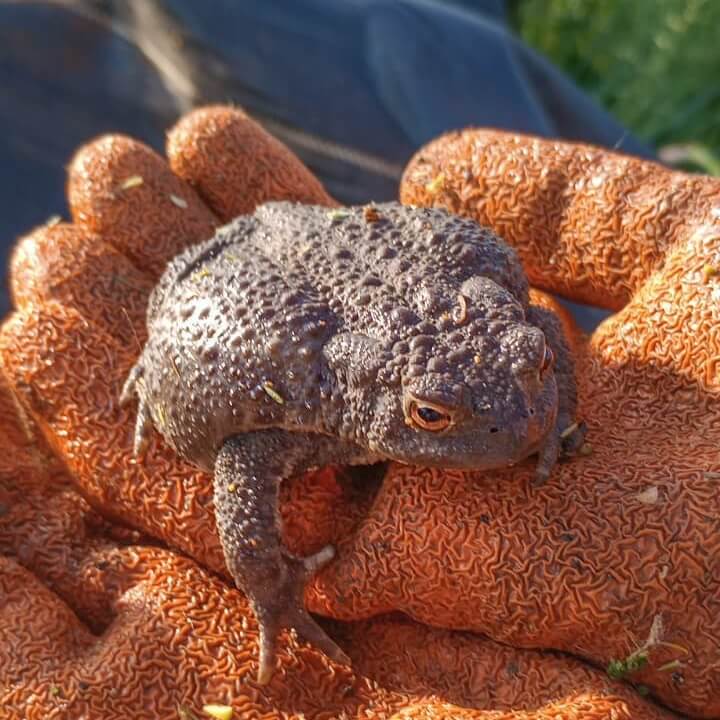
Over the last few years we’ve been introducing lots of small changes that, together, make a big difference. We’ve created a wildlife pond, which is already attracting dragonflies, swooping swallows and countless other creatures.
We are working with the Stroud Landscape Project, which has helped us to think about how our farm fits into the wider landscape. They kindly provide locally harvested wildflower seed to help restore species-rich grasslands; creating habitats that connect with the surrounding countryside.
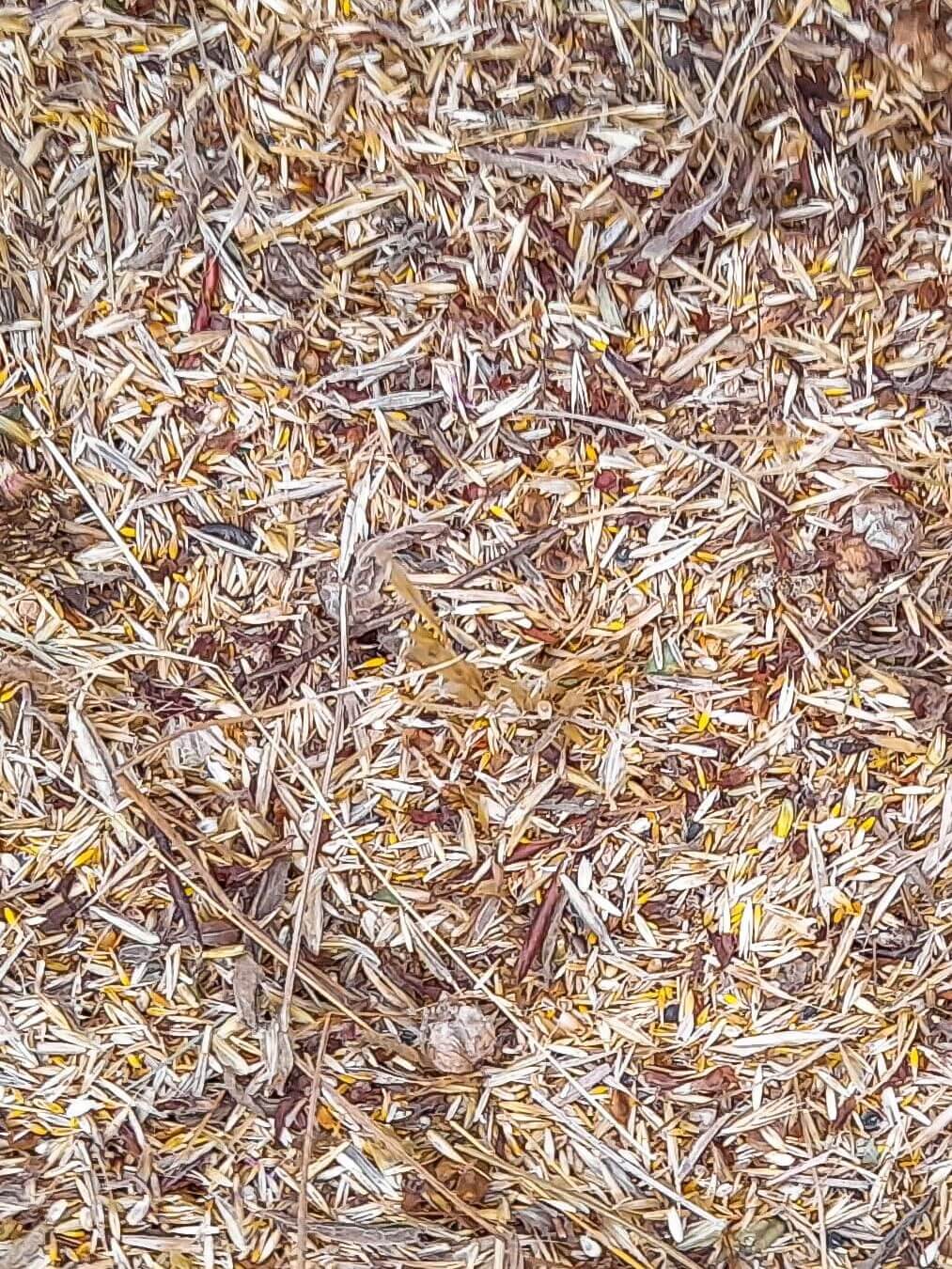
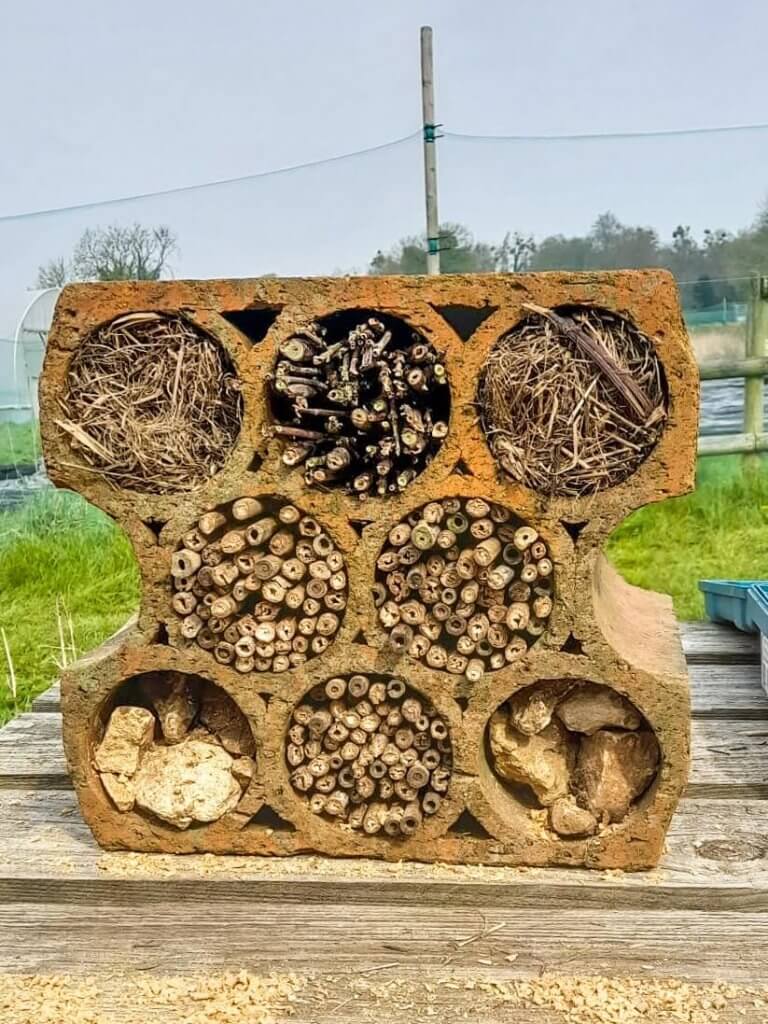
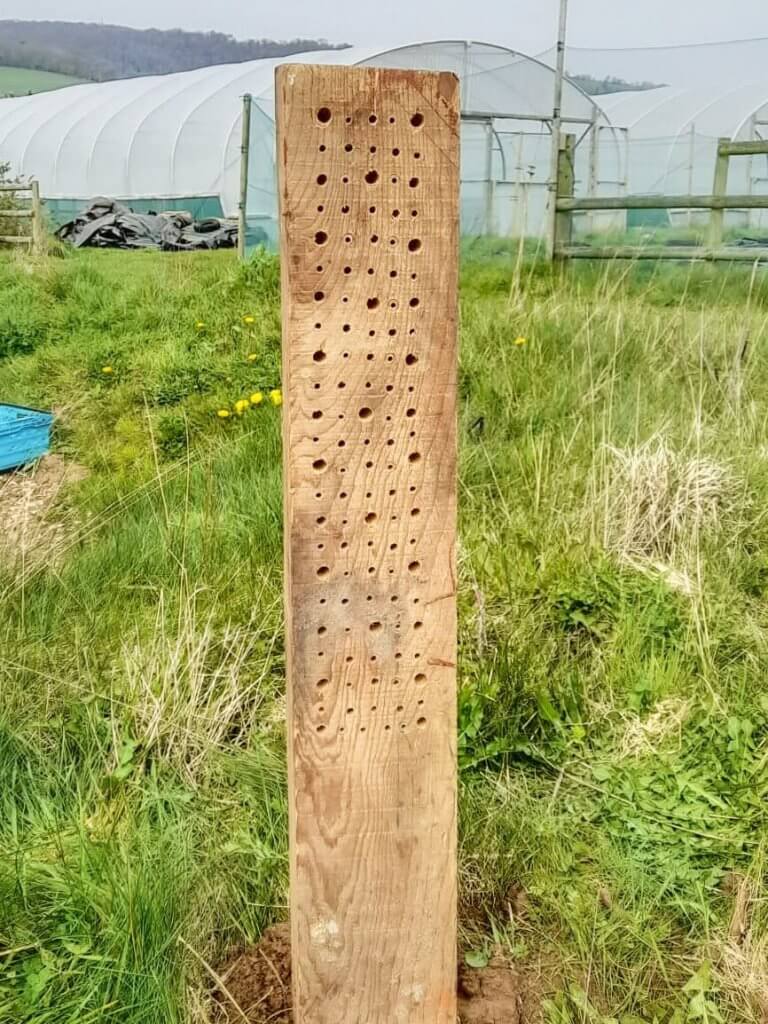
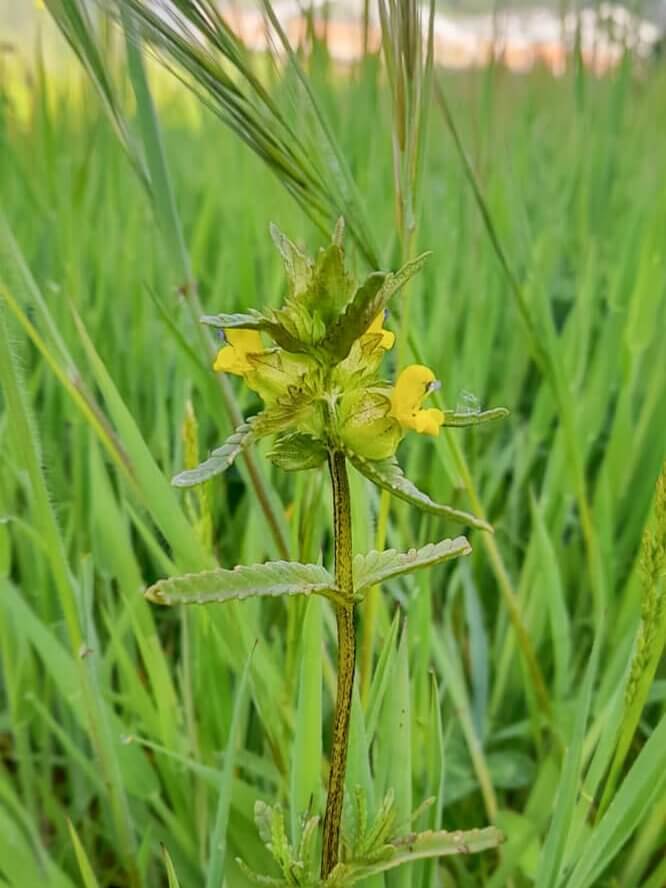
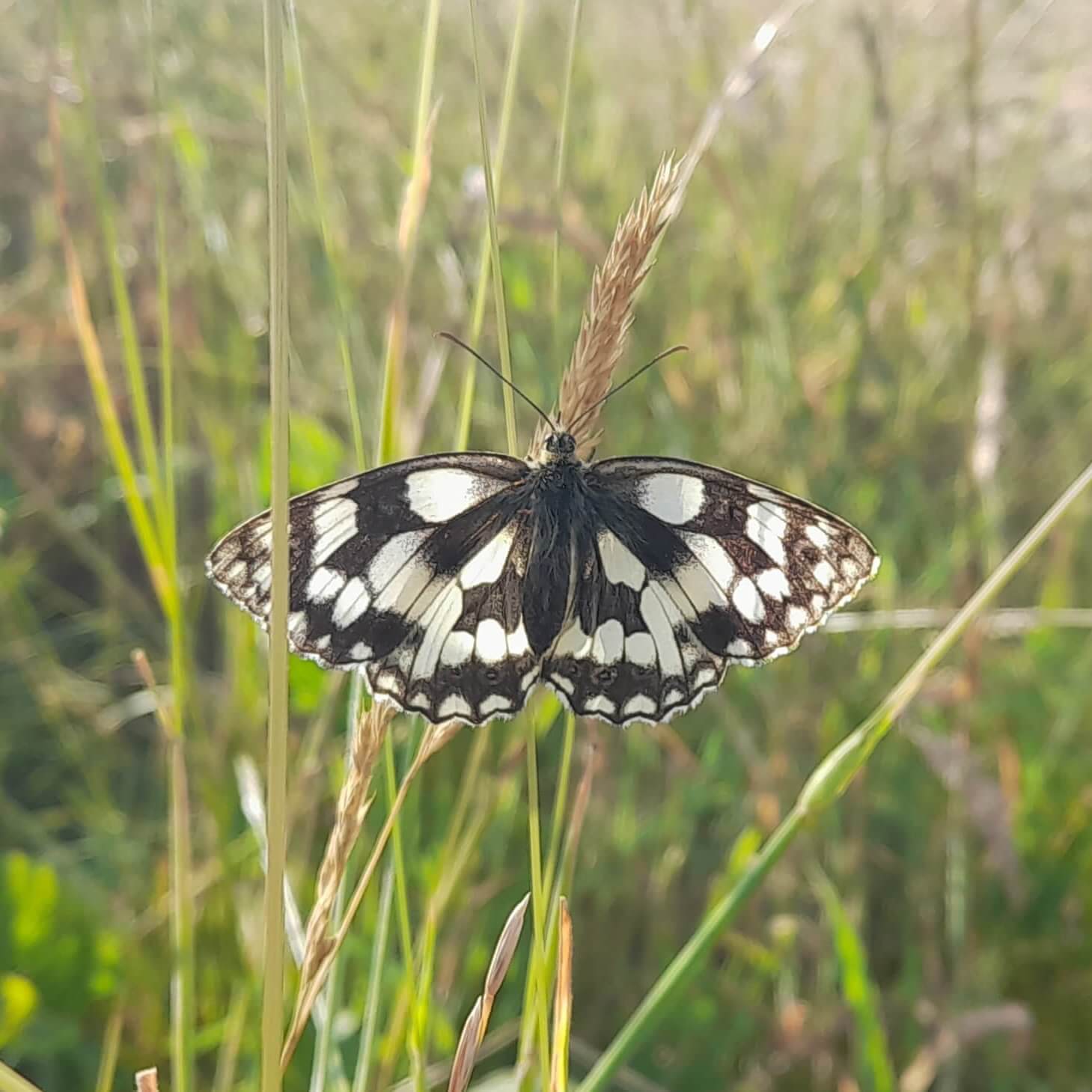
We’ve installed bug and bee hotels to provide safe places for insects to nest and overwinter. We’ve sown yellow-rattle, a fascinating native wildflower that helps reduce vigorous grasses so other wildflowers have space to flourish. We’ve also created a butterfly bank, giving butterflies and other insects warm, sheltered places to feed and rest.
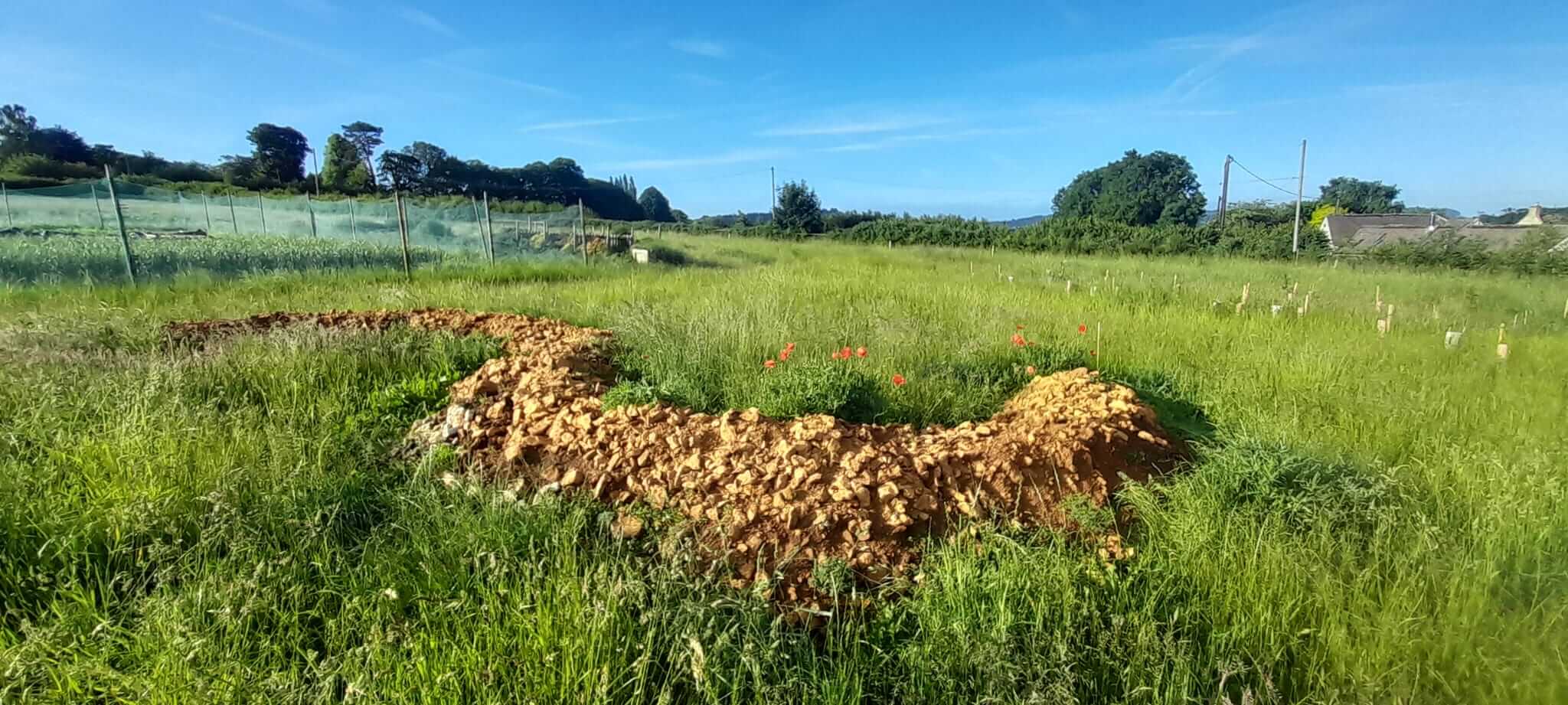
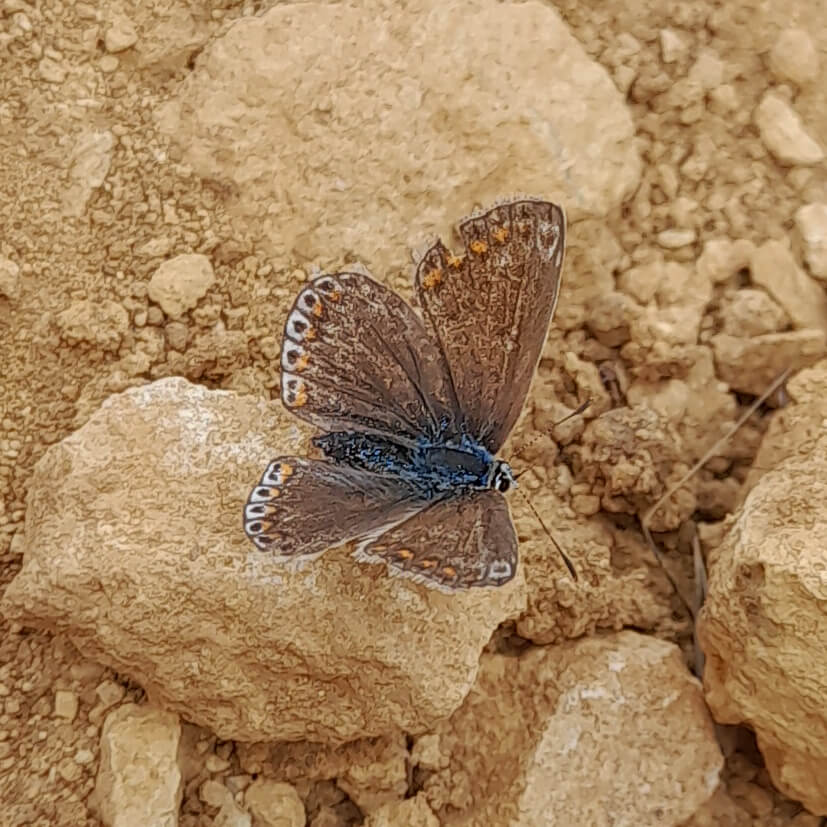
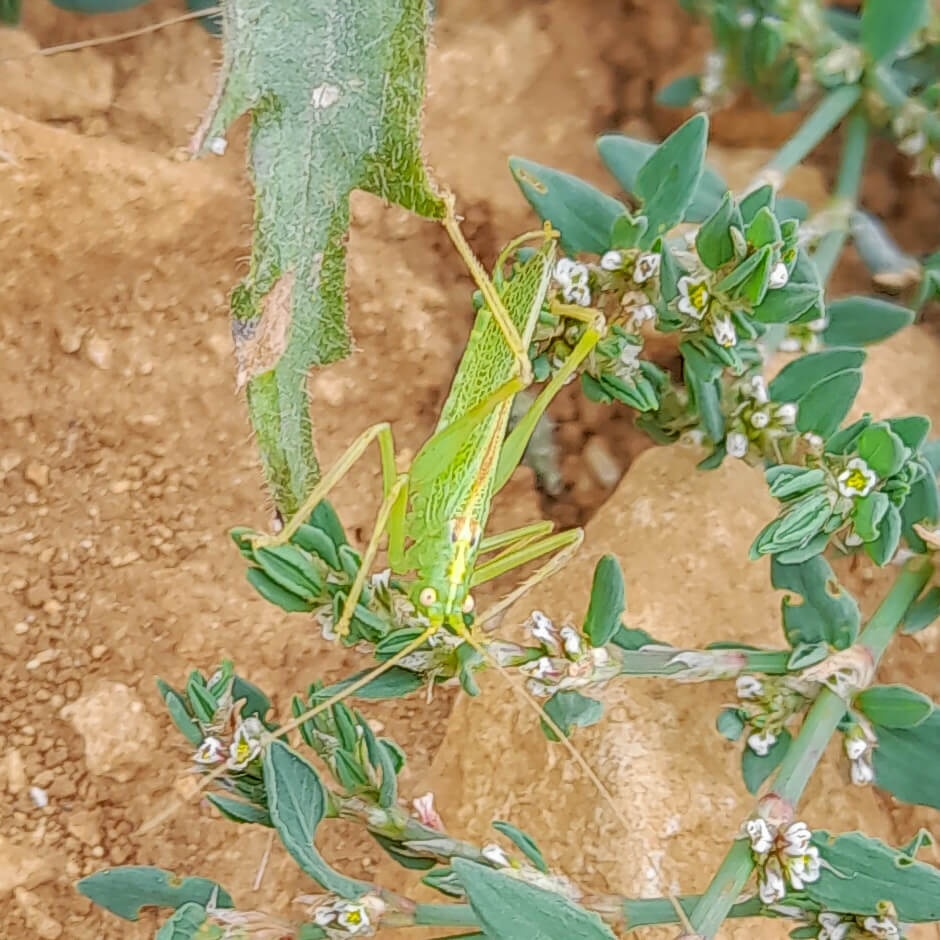
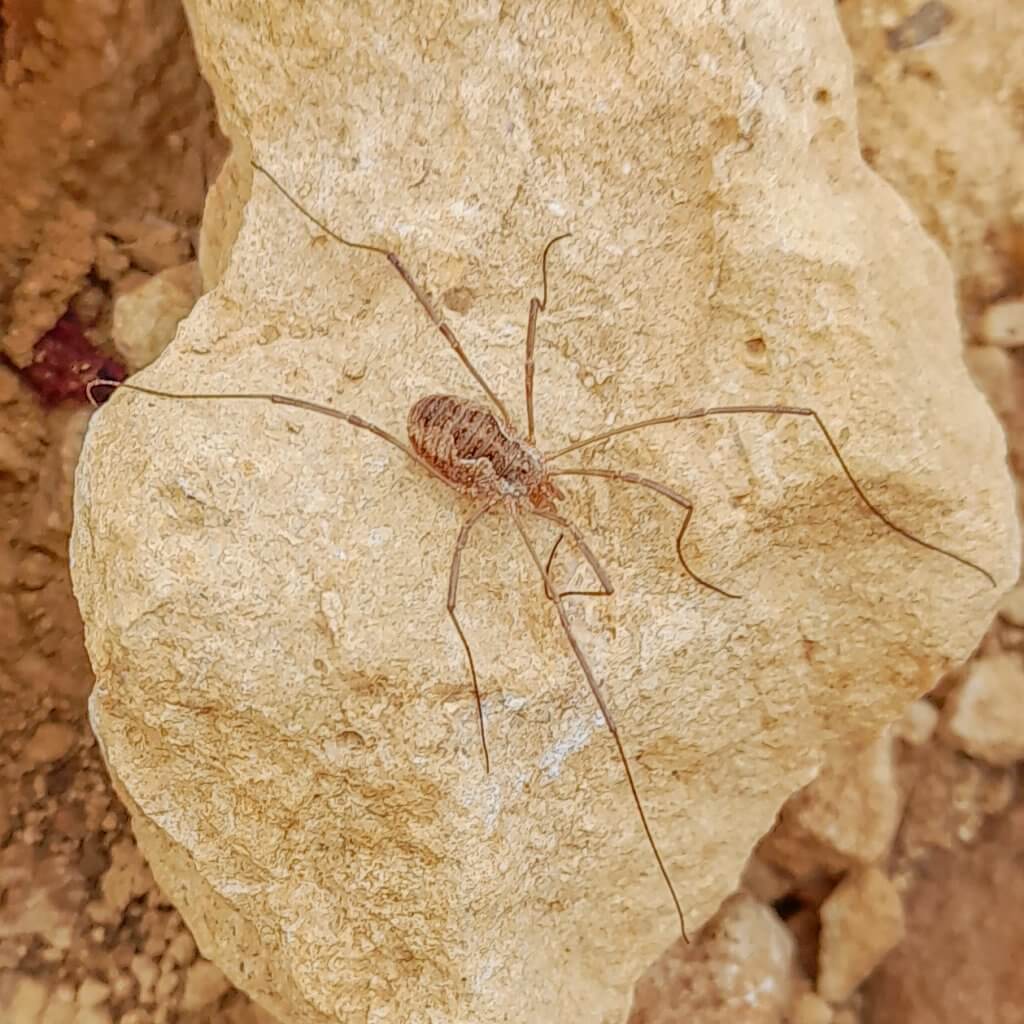
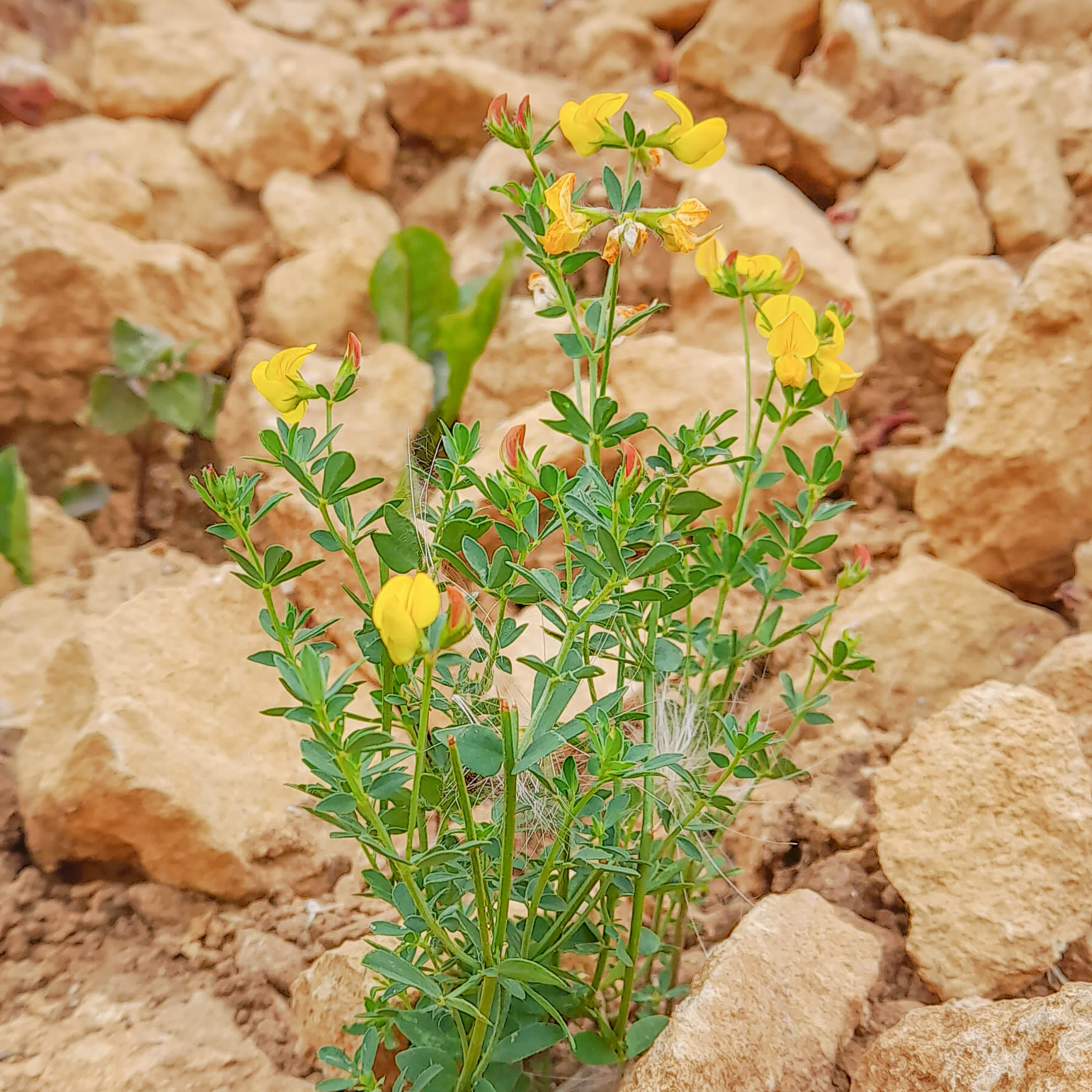
You might also notice that we’re mowing less in some areas. While it can look a little wilder than a ‘neatly’ trimmed field, those longer grasses, flowering plants and seed heads provide vital food and shelter for pollinators, birds and other wildlife.
Across the farm we have been planting more trees and, with the generous help of the Stroud Valley’s Project and Gloucestershire County Council, a shelter belt in the Market Garden.
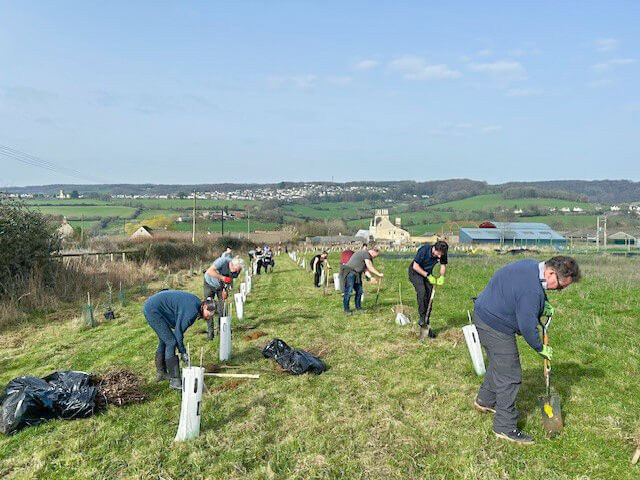
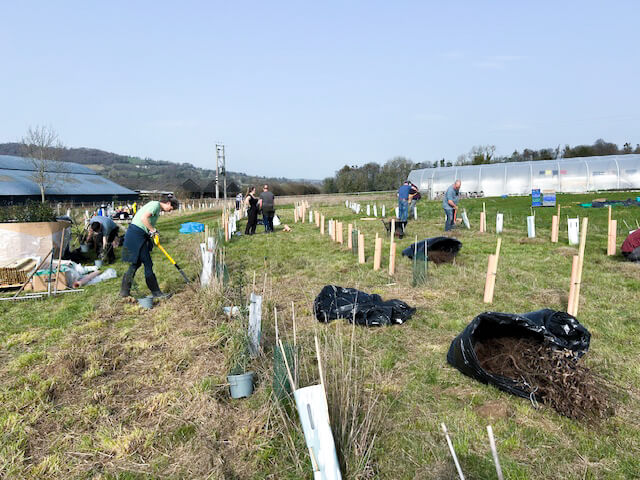
We are increasing our use of green manures in the market garden to protect and improve our soils between crops, and even removing insect mesh where we can, allowing beneficial insects to move more freely through the crops once they’re established.
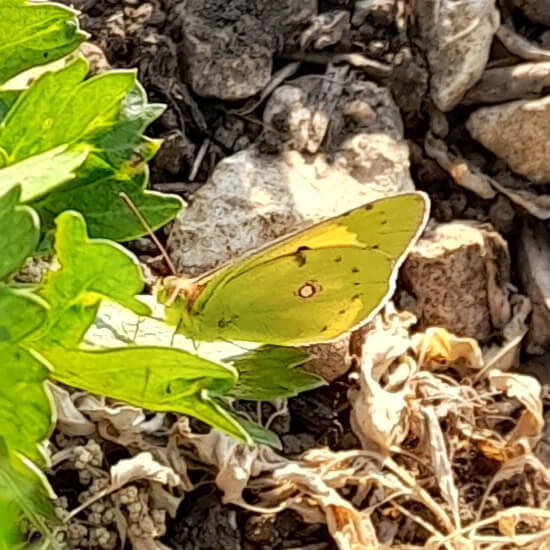
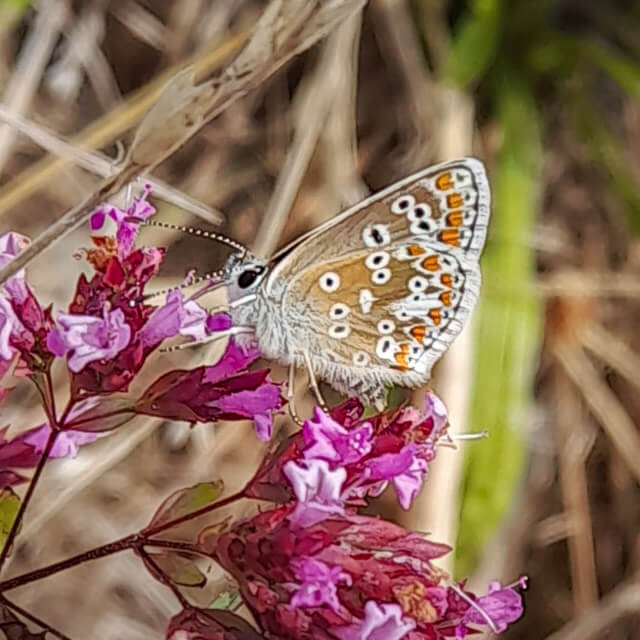
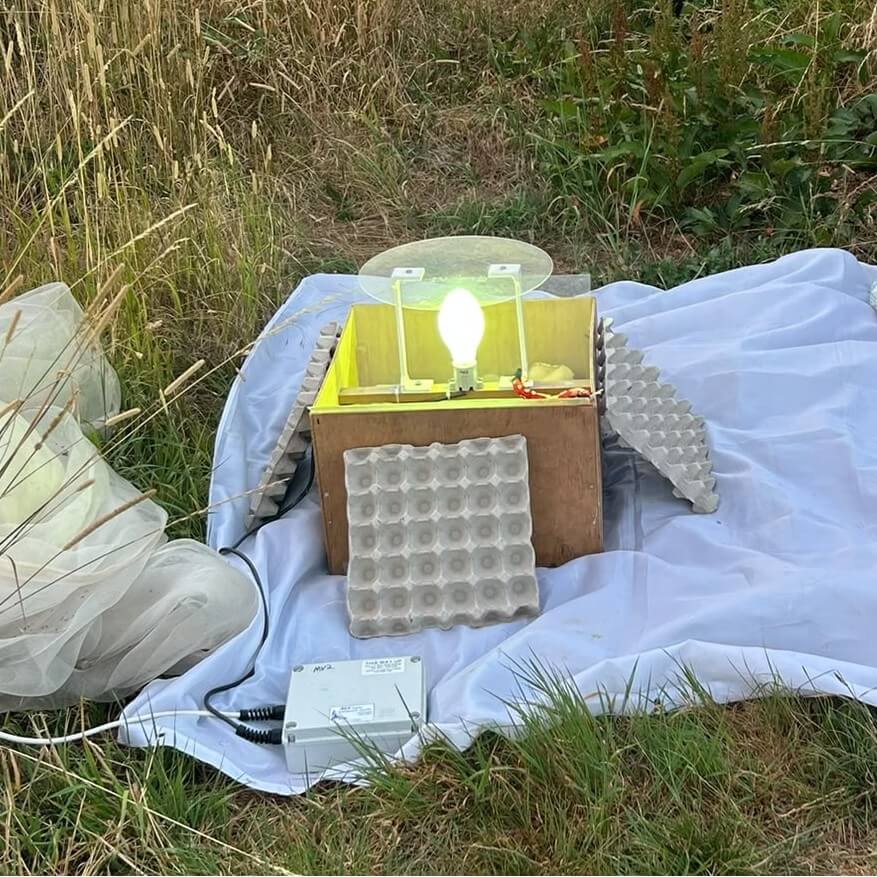
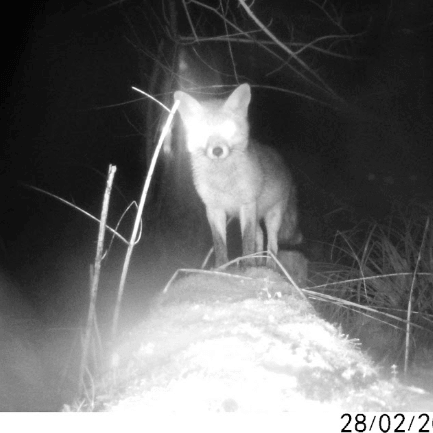
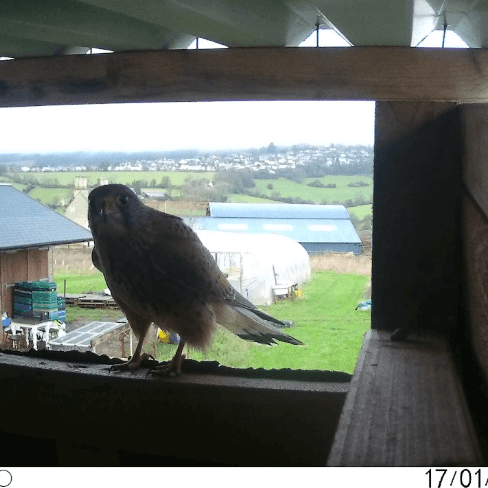
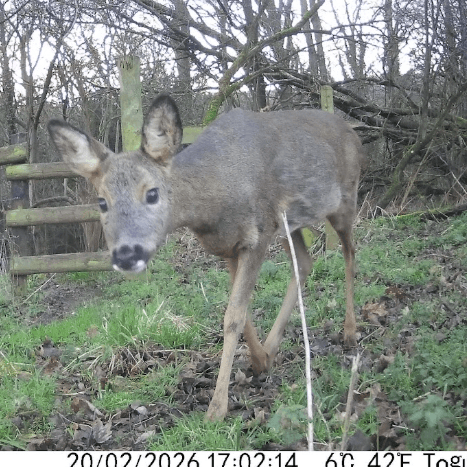
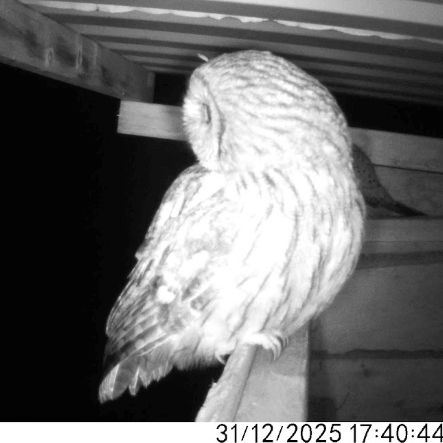
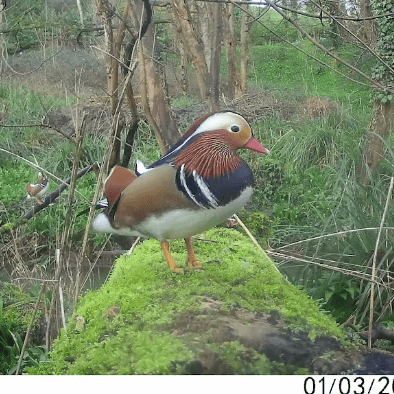
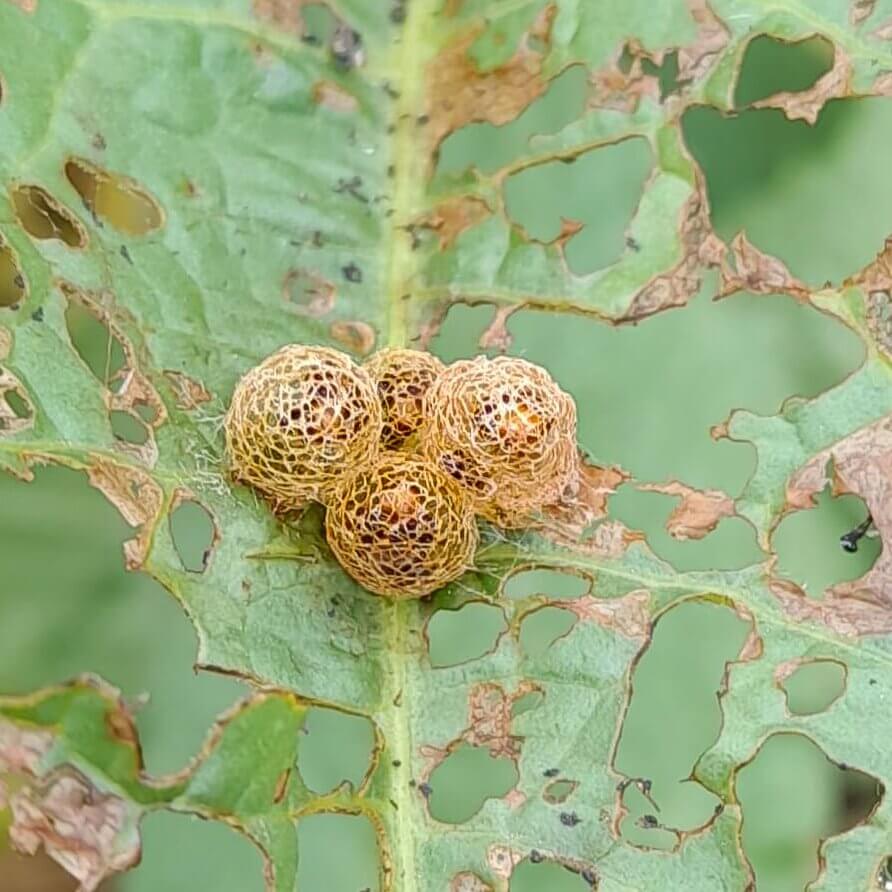
We record as much of the wildlife we see as possible. Some of the ways we are doing this is through a butterfly transect – walking the same route regularly and recording the butterflies we spot – as well as running regular moth traps and using a motion-triggered trailcam. These are simple ways of observing whether the habitats we’re creating are really making a difference as well as helping to monitor wider population trends in a changing climate.
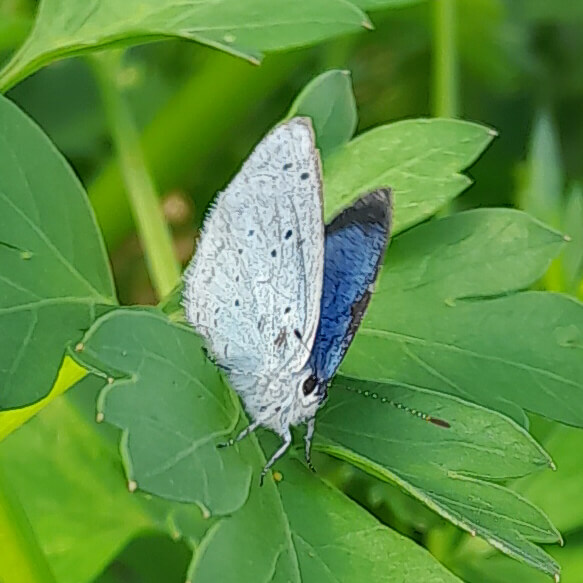
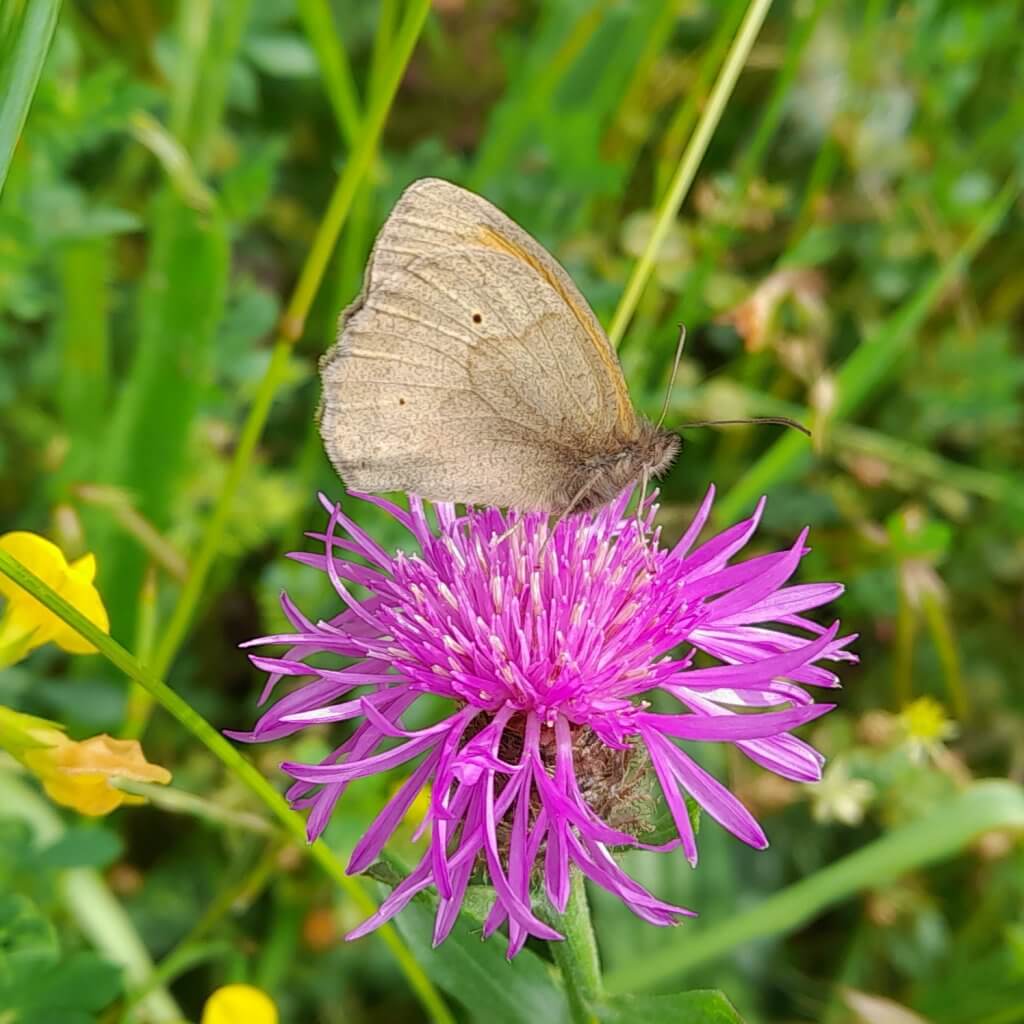
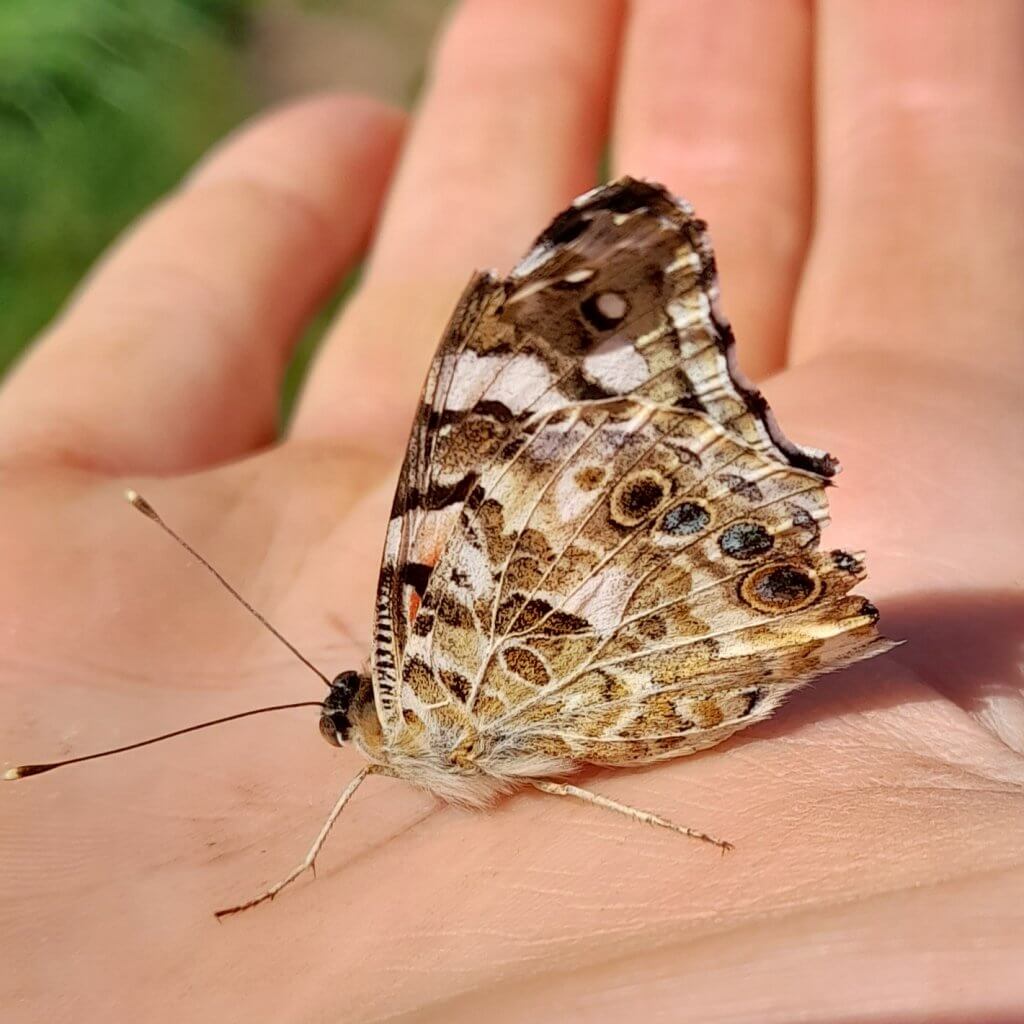
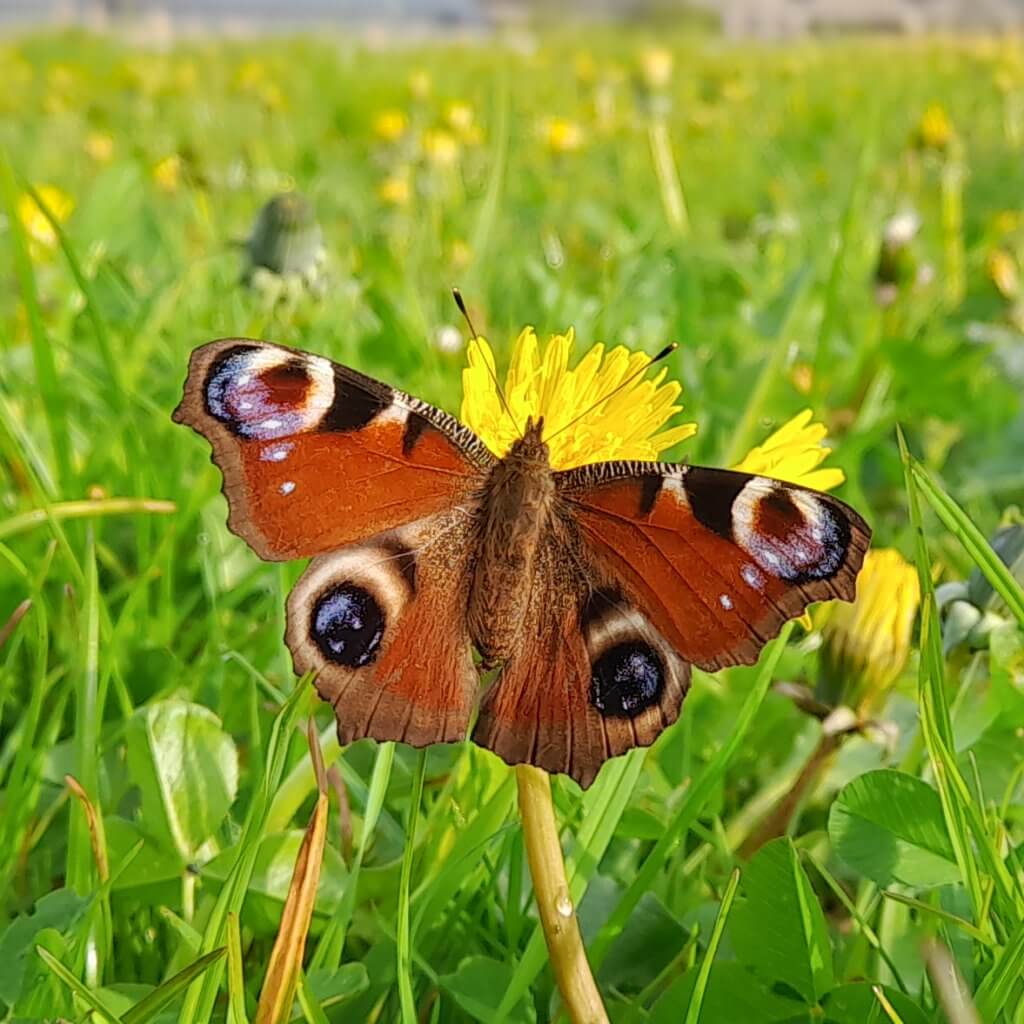
The most recent moth trap produced 68 moths of 59 species including Pale and Iron Prominent, 7 Jersey tiger moths, Lime-speck pug, Rusty Acorn Piercer (the 11th record for Gloucestershire ever!) and Lobster moth.
From the trailcam
Looking ahead
There’s always more that we can do.
Over the coming months we’ll be creating more ponds, perennial beds that provide year-round habitat for insects within the market garden, adding bird, bat and more bee boxes, sowing more wildflowers, planting more native shrubs, woodland restoration and continuing to improve our soils with green manures.
Alongside all of this, we’ll continue recording the wildlife we find so we can evidence and learn what’s working and keep improving.
Supporting nature’s recovery
One of the things we love most about farming organically is that nature often surprises us. Sometimes it’s spotting a butterfly species we haven’t seen before, hearing more birdsong in the spring, or watching dragonflies patrolling a pond that didn’t exist a year ago.
None of these things happen overnight. We’re living through a wider biodiversity crisis, with wildlife populations declining across the UK and many once-common species becoming increasingly rare. Against that backdrop, building biodiversity on a farm takes time, patience and lots of small, thoughtful decisions. But each pond, wildflower, tree and tall patch of long grasses is another step towards a healthier farm, and a small part of the bigger effort to help nature recover.
When you choose to buy organic food from us, you’re supporting much more than the vegetables we grow and livestock we raise. You’re helping us create a farm where wildlife has a place too, and where food production and nature can thrive side by side.
Thank you for being part of that journey with us.
